UT Austin Wins $30 Million to Help Robots Live with Humans
Researchers plan to study how people and assistive robots adjust to spending time with one another.

September 11, 2026 by Vismay
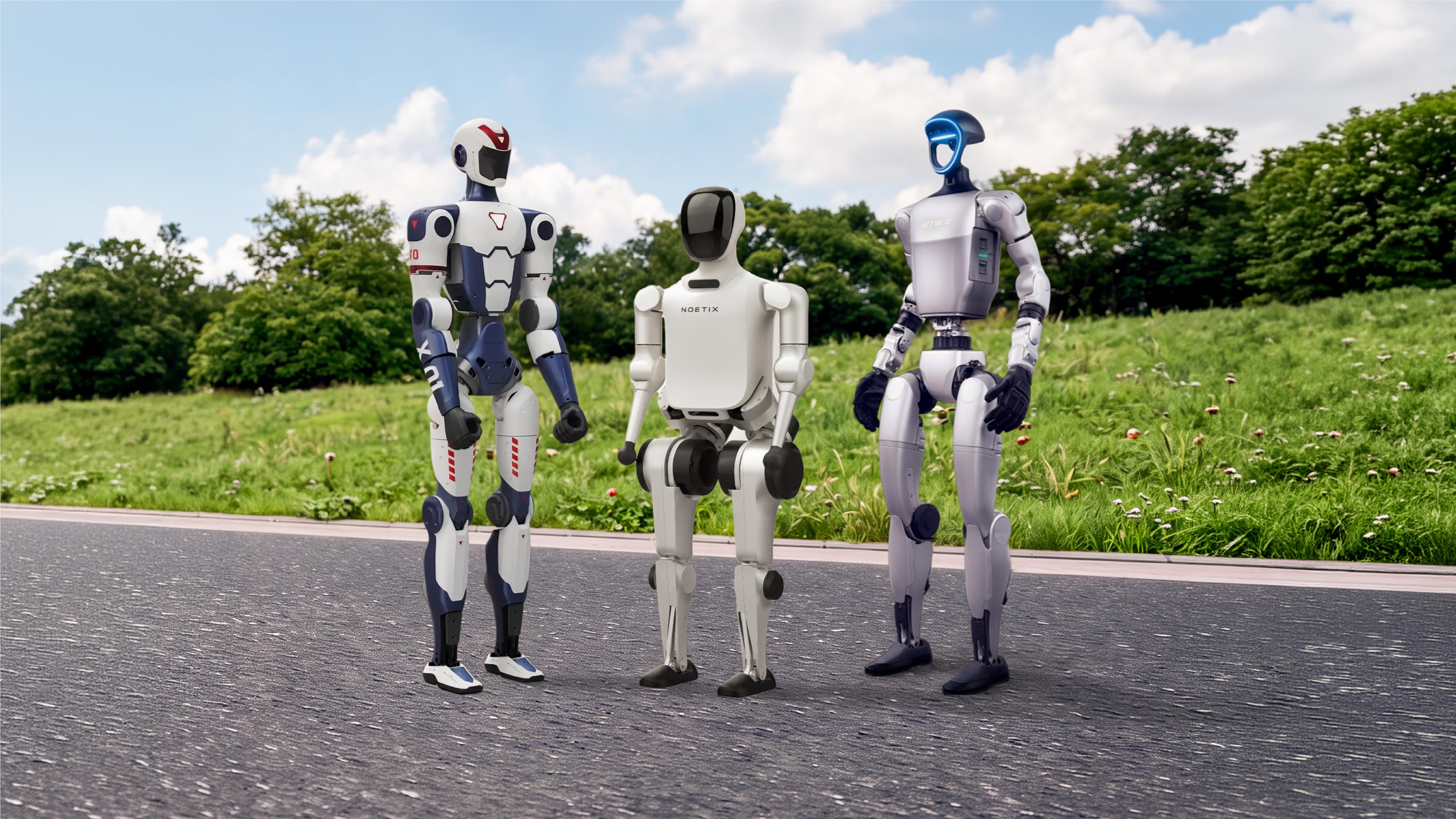
TEXAS: The University of Texas at Austin will be leading a new $30 million federally funded research center exploring robot sustainability, while humans around them change habits, needs and tastes.
The Center for Human and Robot Co-Adaptation is part of a funding initiative announced by the National Science Foundation on Aug. 26. It will receive approximately $6 million annually for five years.
Its central question goes beyond whether a robot can complete an assigned task: What happens when a person and a machine spend months or years learning to work together?
NSF says the research will combine robotics, artificial intelligence, and human factors to develop systems that learn from people and adjust to different users and surroundings. Supporting independent living and care are among its intended applications.
The university offers a practical example of the challenge: An assistive robot could learn how far to reach so a person with limited mobility can drink water. As the machine adjusts, the person could also learn what assistance to request and how to ask for it. That is a research goal, rather than a reported result.
The work is intended to take place across a network of settings including homes, dormitories, a museum and care facilities, according to UT Austin. Researchers also plan to use computer simulations and digital versions of those environments to test ideas before introducing robots.
UT Austin says 39 researchers from six universities will participate, led by computer science associate professor Joydeep Biswas. The team brings together technical researchers with specialists in cognitive and social science.
Moving research into shared spaces also means involving people who may not have chosen to work with a robot. The university says community members will help shape where and how the machines are introduced, while an internal ethics board will develop consent and opt-out procedures.
For robotics developers, the challenge is sustaining useful behavior after the initial setup, when routines change, and familiar instructions may no longer fit.
The award supports research into that problem. NSF says the center can compete for up to five additional years of support, but that funding is not guaranteed.
More articles on this topic
12 articles ReportYoung Texas Inventor Sends Homemade Robot Underwater
 ReportDubai’s Viral Robot Newlyweds ‘Welcome’ Baby Robot Named Sinad
 ReportRobots Bring Ballet and Kung Fu moves to Prince George Library
 ReportBeijing’s ‘First Humanoid Robot Data Training Centre’ Gets Upgrade
 ReportKochi Airport Unveils Passenger Robot
 ReportEducational Robotics: Benefits and the Future of Learning
 ReportDubai Robot Cuts Surveying Costs by 90%
 ReportMIT Researchers Build Self-Reconfiguring Swarm of Aquatic Robots
 ReportLG CLOi ServeBot vs Robint Joy
 ReportBoston Dynamics Spinoff Launches Robot Characters for Theme Parks, Hotels
 ReportChina 'Dominates Humanoid Robot Production'
 ReportRichtech Plans a Robot Double Act with DEX and Titan
BUSINESS NEWS WEEKLY LETTER
The Weekly Letter for Robotics Professionals, Summarizing the Most Important Industry Moves, Launches, Deals and Signals.