What it Really Costs to Own a Personal Assistant Robot at Home
Sticker prices run from about $10,000 to $20,000, but the bill doesn’t end at checkout. Let’s see what home robots cost today and what could add up later.
A robot that unloads your dishwasher and carries laundry sounds appealing until you read the order page. The price on the box is only the start. Add subscriptions, servicing, add-on modules and a few privacy trade-offs, and the real cost of living with a home robot looks quite different.
Let’s talk about the two popular personal assistant robots at home. The cost mentioned here are as on October, 2026.
The sticker prices
Start with the headline figures. 1X’s NEO humanoid costs $20,000 outright, or $499 a month on subscription, with a $200 deposit. Pre-orders opened on October 28 last year, and buyers have been waiting ever since.
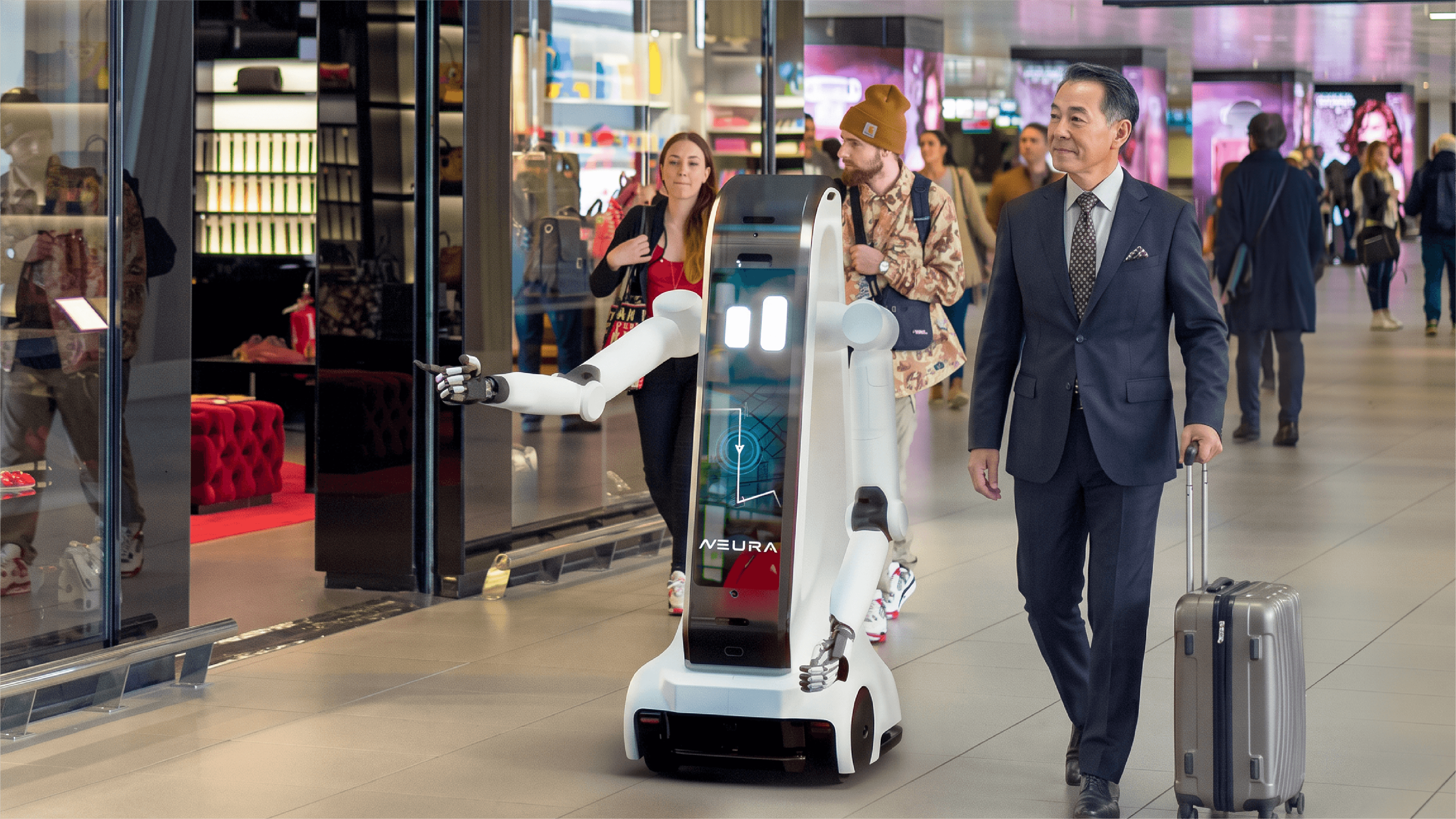
Neura Robotics’ MiPA sits lower. The base unit is priced at €9,999, and buyers can reserve one with a €100 deposit. Neura says that fee is fully refundable and credited toward the final price. MiPA is a wheeled robot, not a walking humanoid, and it’s mainly geared toward consumer use cases such as carrying items between rooms, serving as a smart kitchen or dining companion, and helping elderly with medication reminders.
Both prices look like a single payment, but the monthly option changes the math. Which route costs less depends on how long you keep the robot.
Buy or subscribe?
The $499 plan feels gentle. Then you run the numbers. The subscription carries a six-month minimum, which puts the floor at roughly $2,994. Keep it for a year and you’ve paid $5,988, close to 30 percent of the purchase price. After two years it’s $11,976, more than half.
There’s another catch. At the end of the term, customers can extend the plan or return the robot, so you never own it. Subscribers also wait longer, since the subscription ships later than Early Access.
Buying makes sense if you plan to keep the robot for years. A subscription suits the curious. Neither is cheap, and neither covers everything, because several costs sit outside both the purchase price and the monthly fee.
Costs off the price tag
Add-ons come first. MiPA’s base form handles light-duty tasks such as item transport, object retrieval and scheduled reminders. Anything heavier points to modules, and Neura hasn’t disclosed pricing or specifications for them. You can attach them to a specialised section of the chassis, but you’d be paying on top of the €9,999.
Servicing is next. 1X recommends routine maintenance, which its service team can handle through mobile in-home visits. Whether that’s included or billed separately is worth asking before you pay a deposit.
Then there are the remote operators. For chores NEO can’t handle yet, owners can schedule a 1X teleoperator to guide the robot, a real person driving a machine inside your house. An outside analysis estimates that at $499 a month and about $20 an hour for a US-based operator, each robot can absorb only around 49 minutes of human teleoperation a day before subscription revenue is gone. That’s an analyst’s estimate, not a company figure. Still, it hints at why pricing could shift later.
Remote help also raises a different kind of cost, one that never appears on an invoice.
Privacy as a price
Some costs don’t show up on a bank statement. The Wall Street Journal’s hands-on test found that every task required a remote human operator who could see inside the home through the robot’s cameras. 1X’s CEO has said the robot will do more on its own as the AI learns.
The company lists several safeguards. Operator sessions need your approval and happen in windows you choose, people can be blurred in the feed, and no-go zones are respected even under teleoperation. 1X also says it doesn’t sell user data. You’ll have to decide whether that’s enough. For some households it will be. For others, it’s a dealbreaker.
Even buyers who are comfortable with the trade-off still face one more unknown: when the robot will actually show up.
Delivery and waiting
Paying early doesn’t mean getting the robot early. 1X lists a general 2026 timeline for US Early Access deliveries, with subscription orders shipping later and we anticipate that international deliveries are pushed to 2027.
MiPA has slipped too. At Automatica last year, Neura had said MiPA and its humanoid 4NE1 would be available later that same year. The reservation page now points to a late 2026 release. Neura hasn’t confirmed a shipping timeline or supported countries. Further enquiry at the company may help.
A few months back, Neura was reported to be raising up to $1.4 billion from a consortium that includes Amazon, Nvidia and Qualcomm, with plans to expand manufacturing capacity. Funding isn’t the same as delivery, but it’s a good sign for production. That leaves the bigger question: once a robot does arrive, is it worth what you’ve paid?
Is it worth it?
One reviewer put it bluntly: anyone who can pay for a daily maid service can probably afford NEO. That’s a fair yardstick for the purchase price. It says nothing about the extras. Today, these robots are early products. A basic MiPA fetches things and sets reminders, and NEO still leans on human help. For most households, buying now is a bet on where the software goes, not a purchase that pays off on day one.
Before you put down a deposit, ask four questions.
- Is it refundable?
- What does servicing cost?
- How much of the work is done remotely?
- When will it actually ship?
The answers decide whether the total makes sense for you.
Home robots are arriving, but ownership may cost more than the box price suggest. The real test is whether autonomy improves fast enough that remote operators, add-ons and service fees shrink before your subscription, or your patience runs out!
More articles on this topic
187 articles ReportFour Humanoids Designed To Tackle Danger Zones
 ReportWhy Google's AI Made Spot Practise Using a Bin
 ReportTwo Tiny Robots Taking Heart Treatment from the Inside Out
 ReportPhysical Intelligence Opens Its Robot AI Models to Developers
 ReportAbu Dhabi’s New Robot Cooks Dinner Within Four Minutes
 ReportTry Before You Buy: Five Places to Test-Drive a Robot
 ReportGoogle AI Teaches Humanoid Robot to Play Cornhole by Watching Human Videos
 ReportYour Old Smartphone Could Soon Get a New Robotic AvatarReportWhy Google's AI Made Spot Practise Using a Bin
 ReportHumanoid Robots Are Learning to Navigate Obstacles Like Humans
 ReportWhat Happens When a Humanoid Robot Makes a Mistake?
 ReportFrom Factories to Homes: How Robots are Assisting at Construction Sites
BUSINESS NEWS WEEKLY LETTER
The Weekly Letter for Robotics Professionals, Summarizing the Most Important Industry Moves, Launches, Deals and Signals.