AgiBot Deploys Six Genie G2 Humanoids for a 24-Hour Convenience Store Challenge
Six G2 humanoids spent a full day working the counter, the shelves and the coffee machine while the internet watched.

November 3, 2026 by Dr Maulik Vyas
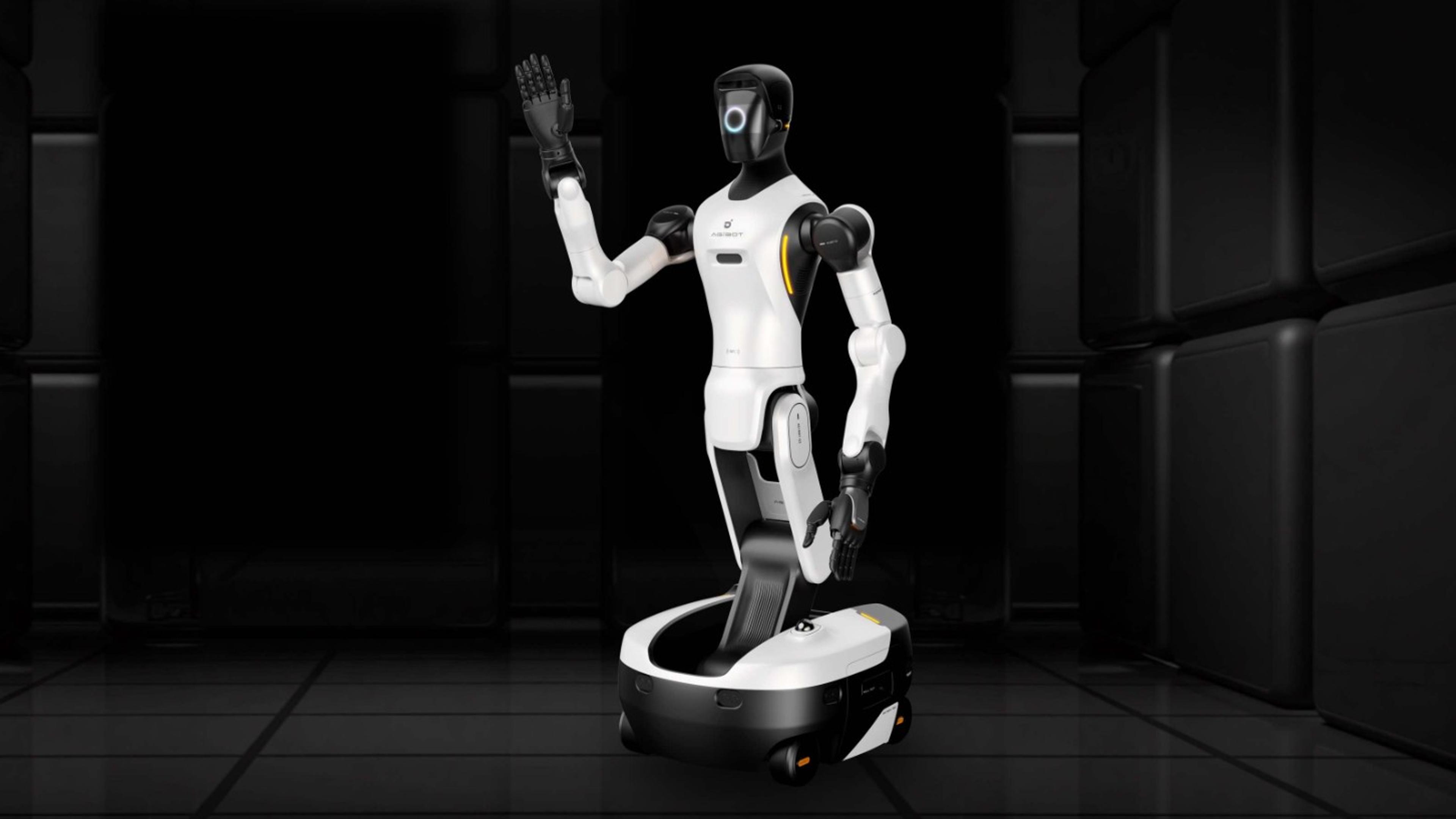
AgiBot put six Genie G2 humanoid robots to work in a convenience store for 24 hours straight, and streamed the whole thing live. The challenge began at 10 a.m. on Monday, Nov. 2, and ran into Tuesday. The Chinese company has called it a test of whether humanoids can handle real jobs, not just short demos. The English title of the stream is Robots Never Clock Out.
The robots play store employees. Their duties include greeting customers, making coffee, serving hot food, picking and restocking goods, and cleaning up tables and rubbish. They share the floor with real customers and human staff. AgiBot split the day into four stretches: the lunch rush, the evening rush, late-night duty and breakfast preparation. Each stretch asks for something different. Crowds mean blocked aisles and interruptions, the small hours mean fewer people around, and breakfast brings its own routine.
A store is a harder test than it looks. A robot has to move around shoppers, find an item, reach for it, put it in the right spot and answer requests, all while other things keep happening nearby. Coffee machines and hot food add equipment to the mix.
AgiBot says the G2s run on its GO-3 base model and a framework called Genie Master. According to a technical write-up, Genie Master ties an AI agent to the robots through a four-part execution protocol and two self-improvement loops, and it's meant to help a robot work out what went wrong when a task fails.
Why stream it? A 24-hour feed shows more than a polished clip does. Viewers can catch pauses, repeated attempts and recoveries, like when an item is hard to grasp or a customer step into the robot's path. How a machine handles those moments says more about its practical ability than a flawless demo of one movement. The quiet hours may be the most interesting. AgiBot's own promotion mentions late-night solo duty, when the robots are working with almost nobody around.
There's a limit to what the stream proves, though. The 24 hours describes the broadcast. It doesn't show that every robot worked the whole time without charging, maintenance or human help. AgiBot hasn't published a full policy on when people step in, or a scoring system for success. The numbers that would settle it are easy to name: how many tasks the robots finish, how long each one takes, how often a person has to intervene, and how well the machines recover after a failed attempt.
The event follows AgiBot's Innovation Day, where the company showed new AI models, the G2 Max robot and a proposed measure of productive robot work it calls Worken. The G2 itself was introduced last year as an industrial grade embodied robot. A convenience store pushes it into a very different job, with customers who don't follow a script and shelves that never stay tidy for long.
More articles on this topic
247 articles ReportWhat it Really Costs to Own a Personal Assistant Robot at Home
 ReportFF EAI Robotics Reports 1,168 Robot Deliveries Since February After Record October Sales
 ReportUBTECH Launches Thinker-Sim to Train and Test Robots in Virtual Environments
 ReportAgility Robotics Expects $465 Million Gross Capital Raise in Proposed Nasdaq Listing
 ReportHD Hyundai Robotics Says Palantir AI Cuts Robot Problem-Solving Time by 63%
 ReportMeta Builds Humanoid Robot Prototype with China's Fourier, Begins Work on Second Version
 ReportWhy Turning a Doorknob is Robotics’ Hardest Test
 ReportThe Ultimate Blind Spot: How Rescue Robots Sense the Invisible
 ReportCan Powered Exoskeletons Make Physically Demanding Jobs Easier?
 ReportRobotic Insects Reveal New Possibilities for Tiny Flying Machines
 ReportETH Zurich Engineers Create Tiny Robots Powered by Mouse Muscle
 ReportRobots that Explore the Great Pyramid's Narrow Shafts
BUSINESS NEWS WEEKLY LETTER
The Weekly Letter for Robotics Professionals, Summarizing the Most Important Industry Moves, Launches, Deals and Signals.