Five Ways Robots Are Making Hospital Staff's Lives Easier
From delivering blood and bedside supplies to transporting meals and cleaning floors, robots are taking on everyday jobs across working hospitals.

October 14, 2026 by Nisha
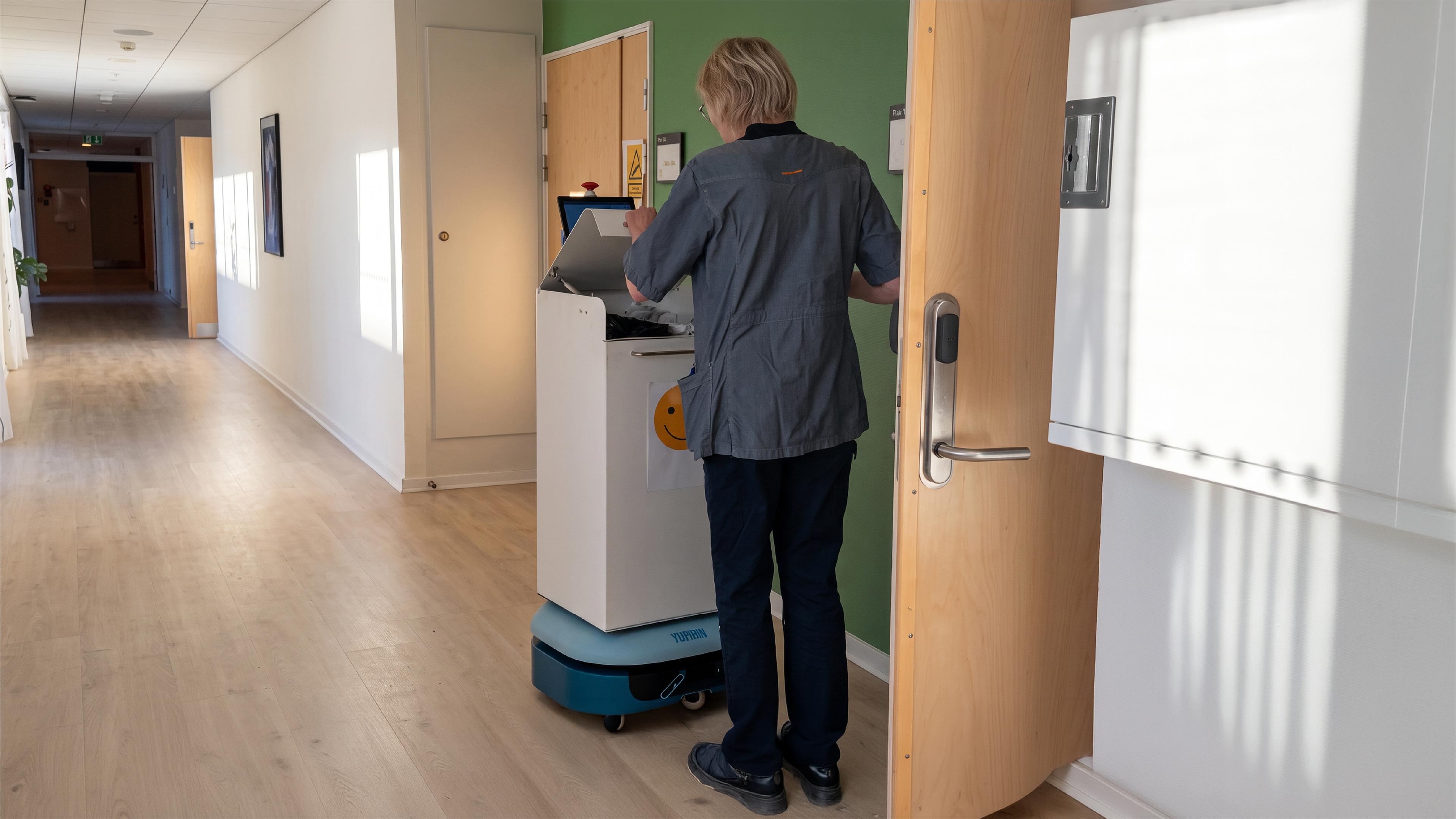
A hospital shift is not only about patient care and treatment; there's also the collecting of medicines, the retrieval of supplies and the manoeuvring of heavy trolleys down long corridors. These activities seem trivial, but all have to be maintained. They also use up staff time and effort.
To compensate for this, a handful of hospitals and nursing homes are already distributing that load to Robots. Whether ferrying blood and bone marrow samples in Israel or providing bedside items to nurses in Belgium, service robots are taking on a variety of jobs inside hospitals. These five deployments show how they're helping the health care workforce survive the day.
1. RZ-100 - Blood & bone marrow ships
Deliverz.ai-powered RZ-100 robots have now taken on transporting blood and bone marrow at Israel's Sheba Medical Center.
Gix Internet, the parent company, said the robots started moving bone marrow samples from hematology to the laboratory and giving blood to the blood bank from the blood donation centre on October 12. The rollout is an extension of an existing chemotherapy-medication delivery service at Gix, which said that its established chemotherapy process has cut delivery times from 40 minutes to 14 minutes.
2. Yuman Buddy – delivering supplies to nurses
Yuman's Buddy robot has been serving the orthopedic and general surgery unit since October 2024 at AZ Alma. It primarily helps during night shift. It delivers supplies to the patient's room and connects with electronic patient records to provide bedside documentation.
The manufacturer also reports savings of 10,000 steps per nurse per night shift in the described workflow.
3. Aethon TUG - moving meals, linen and medications
At Scripps Memorial Hospital in California, 10 TUG robots are moving meal trays through corridors and using elevators. The staff monitors them through iPads and meet them at their destination before delivering meals to patients.
Scripps states that earlier, some food-service employees were walking up to 13 miles a day, pushing carts that could weigh as much as 300 pounds. With the robots on board, the staff doesn't need to move those loads themselves.
Mercy Hospital Jefferson in Missouri, is also using a TUG robot deliver medicines, linens, and food at the hospital for more than three years now.
4. Lionbot - sharing the floor-cleaning workload
Barnet Hospital and Chase Farm Hospital in London have deployed Lionbot robots to scrub and dry floors across large halls and mapped routes. They also recognise obstacles such as pillars and can ask people to step aside.
More articles on this topic
209 articles ReportWhat it Really Costs to Own a Personal Assistant Robot at Home
 ReportUnderwater Robot Teams Take on the Problem of Seabed Waste
 ReportSmart Robotics to Boost Agriculture, Green Spaces, and Clean Tech
 ReportCould a Single AI Run Different Types of Robots?
 ReportAgility Robotics Co-Founder Reveals Why He Can't Love Digit 5
 ReportDetecting Gas, Braving Heat: This Robot is Built for Danger
 ReportRobots Can Do Physical Work, but Can Businesses Afford Them?
 ReportHumanoid Walks 560km in Nine-Day Durability Test
 ReportChina Targets Retail and Logistics in New Embodied AI Plan
 ReportWhat Happens When Robots Lose Their Internet Connection?
 ReportChina's Industrial Robot Output Surges 29% in Nine Months
 ReportInside San Francisco's Robot Housekeeping Experiment
BUSINESS NEWS WEEKLY LETTER
The Weekly Letter for Robotics Professionals, Summarizing the Most Important Industry Moves, Launches, Deals and Signals.