Robots Can Do Physical Work, but Can Businesses Afford Them?
Robots can perform 74% of physical tasks, but high costs make automation financially viable for just 0.3% of work, says study.
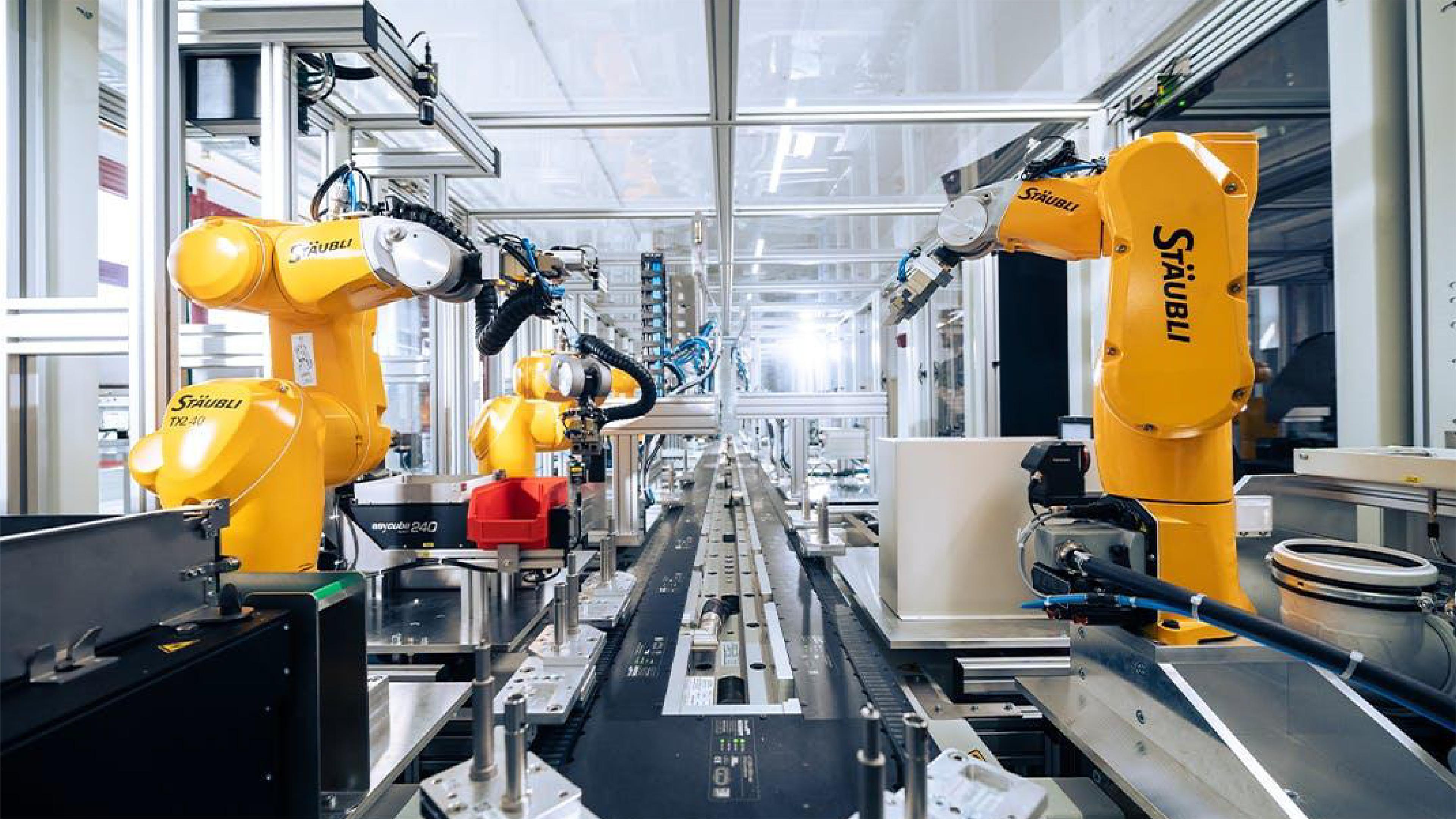
Research from Anthropic has found that while a robot can perform the majority of physical work in the U.S., including moving goods around warehouses, delivering medical supplies inside hospitals, assembling meal trays, welding metal components and cleaning floors, it remains too expensive to compete with human labor.
According to the study, published on September 30, robots could perform 74% of these types of physical work, given the right conditions. In practice, though, they are cost-competitive in only 0.3% of instances.
The Economics Behind Robot Adoption
Anthropic researchers Russell Legate-Yang and Maxim Massenkoff put their findings to the test through AI-assisted evaluations of existing robotic capabilities to see what current robots can do and examine occupational data. In all, they reviewed 7,594 physical job tasks.
They determined that potential robotic output represents around 34% of working hours in the American economy. However, many of those capabilities depend on controlled environments, specialized equipment or carefully structured workflows.
The results put a fine point on the problem facing robotics firms that have put billions into automation: you can build a machine to do the job, but for the business, it must be worth the money. There are operating and maintenance costs to consider as well as the need for oversight and reliable performance before hardware is put in place.
For automation to make financial sense for 10% of working time, the researchers calculate robot prices must drop approximately 70%. Based on historical price declines of roughly 3% annually, reaching that level could take around 40 years, provided no unforeseen technological advances come along.
Why Businesses Are Still Investing
There is continued investment in the sector as companies seek to get more done and take care of the tedium of repetitive physical work. Manufacturing and logistics are prime candidates for adoption since the structured nature of the work allows robotic systems to be more predictable.
Anthropic’s work would have a business focus initially on automating narrowly defined tasks instead of attempting to automate entire jobs.
The study also found that robots are getting better at about 2% of the physical work that was inaccessible to them before, which should allow developers to find new commercial uses for them.
Commercial Success Depends on Cost
The researchers are quick to note that technical capability does not automatically mean it will be adopted. A company must see tangible gains in productivity or savings to warrant the outlay, and issues like reliability and the demands of the workplace can further affect those calculations.
Ultimately, the commercial prospects of the industry rest on having machines that are not just more sophisticated but also priced to be deployed.
It is one thing for a manufacturer to show off what its robots can do, and another to prove they have economic value if a sustainable business is to be made of it.
More articles on this topic
211 articles ReportWhat it Really Costs to Own a Personal Assistant Robot at Home
 ReportNVIDIA and Agile Robots Launch Humanoid Research Platform
 ReportMitsubishi Electric Develops AI-Controlled Humanoid Machining System
 ReportThe Robots Giving Old Electric Vehicle Batteries a Second Life
 ReportEka Robotics Secures $150 Million to Advance Dexterous Automation
 ReportAgility Robotics Signs Deal to Pilot Digit at AGCO Factory
 ReportDream Labs Raises $90M, Offers Robot AI by the Hour
 ReportUnderwater Robot Teams Take on the Problem of Seabed Waste
 ReportOpenAI Veteran Launches Factory Automation Startup With $232M
 ReportSchaeffler Opens China Factory Where Humanoids Build Robot Parts
 ReportSmart Robotics to Boost Agriculture, Green Spaces, and Clean Tech
 ReportCould a Single AI Run Different Types of Robots?
BUSINESS NEWS WEEKLY LETTER
The Weekly Letter for Robotics Professionals, Summarizing the Most Important Industry Moves, Launches, Deals and Signals.