Lost Your Phone Again? This Robot Could Save The Day
Home LEO is a four-legged robot that can locate your phone within minutes

October 13, 2026 by Manaal
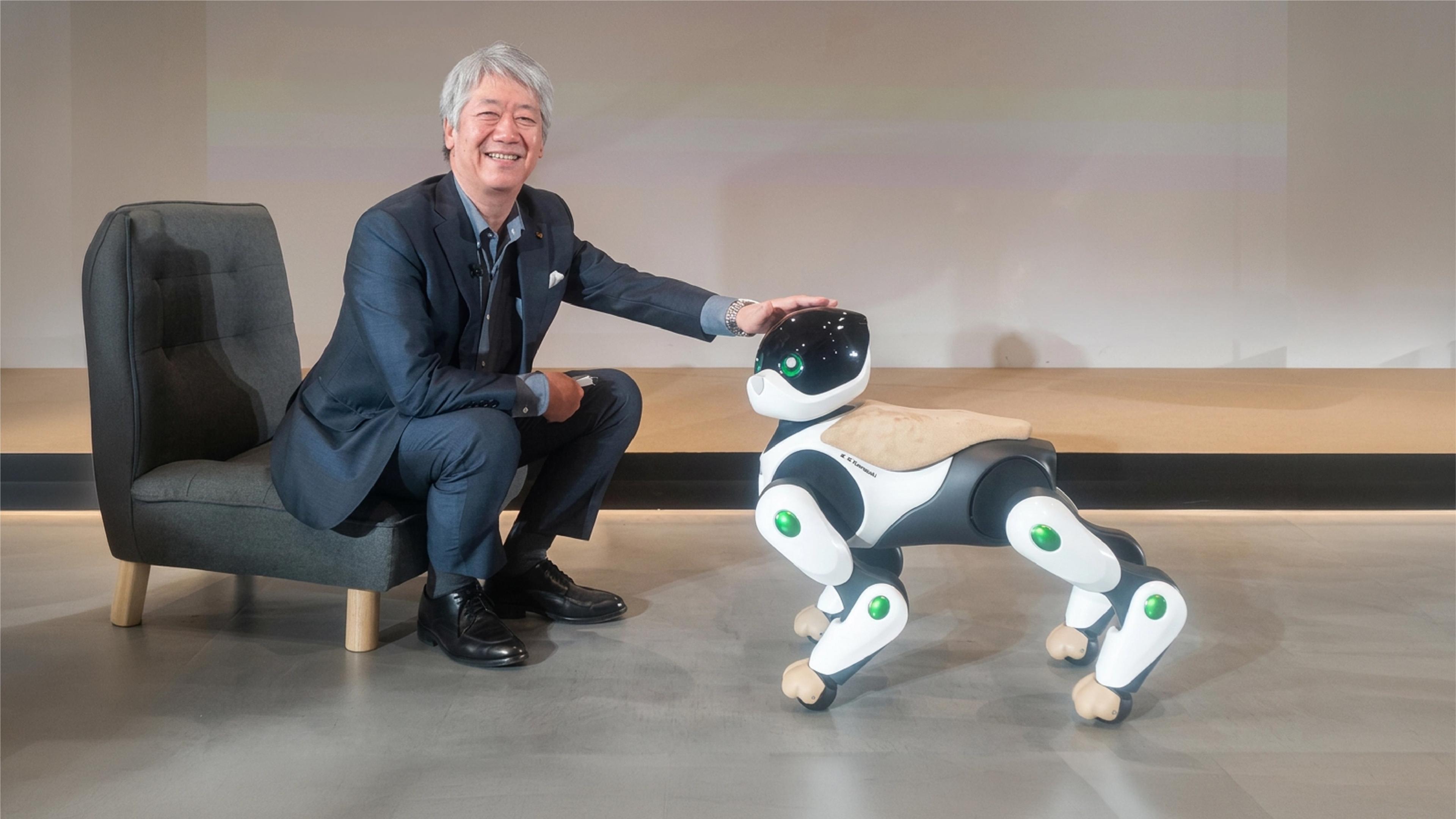
How many times have you found yourself frantically looking for your phone before heading out of the house? Mornings are busy for everyone, be it stay-at-home mums with school-going children or those calculating every precious minute to clock into office on time. And extreme frustration kicks in when you’re not able to locate your mobile because you have mistakenly left it somewhere in the house (from under the duvet to inside the closet) while preparing breakfast, trying to look put together and grabbing all your belongings before leaving home.
We’ve all been there and it’s not a pleasant feeling! But this is where Home LEO steps in as a life saver. Developed by the Japan-based aerospace company Kawasaki, it is a four-legged robot that can locate your phone within minutes.
At a Tokyo demonstration on October 6, 2026, Kawasaki President Yasuhiko Hashimoto presented a live demonstration where he put the robot to test by asking where he had left his smartphone. Home LEO responded that the phone was on the table, offered to fetch it and successfully retrieved it. A small task but one that can save those valuable morning minutes when you’re already running late.
But finding misplaced objects is just one example. The company also wants Home LEO to assist people as they move around their homes, retrieve everyday items and provide companionship through conversation. Roughly 26% of adults 65 and older live alone in the United States, according to recent US Census Bureau and Pew Research Center data. The percentage increases sharply with age.
By age 75 and older, roughly 40% to 43% of women live alone. Hence, the elderly, especially those with compromised mobility, can locate everyday essentials without having to move around the house time and again. By helping with smaller household tasks such as looking for a phone, lost glasses or a wallet, the robot could eventually reduce the amount of assistance older people need from family members and carers, that often does result in many of them having to go live in old-age homes because of no choice.
According to Hashimoto, the robot is also designed to become more familiar with its owner over time. After being deployed in the house for a while, Home LEO will ultimately be able to learn individual routines, habits and preferences, allowing it to offer more personalised assistance.
More articles on this topic
187 articles ReportWhat it Really Costs to Own a Personal Assistant Robot at Home
 ReportFour Humanoids Designed To Tackle Danger Zones
 ReportWhy Google's AI Made Spot Practise Using a Bin
 ReportTwo Tiny Robots Taking Heart Treatment from the Inside Out
 ReportPhysical Intelligence Opens Its Robot AI Models to Developers
 ReportAbu Dhabi’s New Robot Cooks Dinner Within Four Minutes
 ReportTry Before You Buy: Five Places to Test-Drive a Robot
 ReportGoogle AI Teaches Humanoid Robot to Play Cornhole by Watching Human Videos
 ReportYour Old Smartphone Could Soon Get a New Robotic AvatarReportWhy Google's AI Made Spot Practise Using a Bin
 ReportHumanoid Robots Are Learning to Navigate Obstacles Like Humans
 ReportWhat Happens When a Humanoid Robot Makes a Mistake?



BUSINESS NEWS WEEKLY LETTER
The Weekly Letter for Robotics Professionals, Summarizing the Most Important Industry Moves, Launches, Deals and Signals.