Agility Robotics Co-Founder Reveals Why He Can't Love Digit 5
Driven by customer demands for heavier lifting and cage-free safety, the company's latest robot is a heavy design compromise, but it's exactly what the market wants.
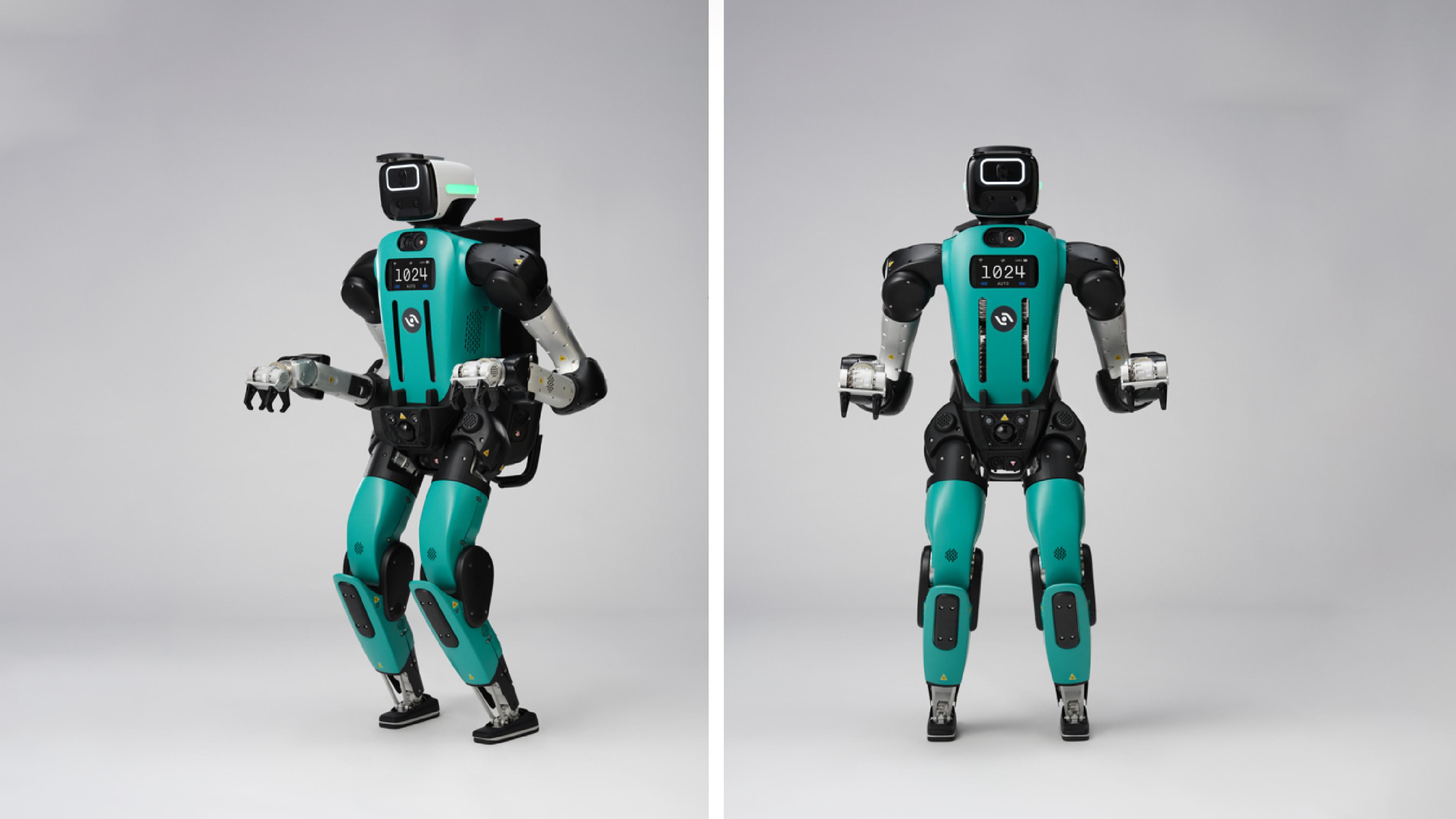
For more than ten years, Jonathan Hurst, co-founder of Agility Robotics, has been developing robots that move 'naturally'. Yet the company’s newest humanoid, Digit 5, is not what he set out to make.
In an essay published by IEEE Spectrum, Hurst described how commercial imperatives and the need for safety have made Digit a more complex and weighty machine for industrial use than initially planned.
“But I cannot love Digit 5,” he wrote, in recognition of the concessions one must make to put a commercially viable product to market after all that research.
The admission offers an unusual look at the challenges humanoid developers face when they produce robots for the factory or warehouse rather than an experimental machine.
Hurst had originally envisioned robots to get lighter and more agile over time. In the case of Digit 5, the demands of industry have dictated otherwise. The legs are a prime example; prior Digit models had a backward-bending leg design inspired by research into dynamic walking, which was fine until the robot had to put in a deep squat and lift something heavy.
Digit 5 has a more humanlike arrangement, so the knee and hip motors can be put to work together when lifting. The new model is built to handle 23 kg containers repeatedly as a warehouse would require.
Then there is the matter of safety. Agility is developing systems to have Digit 5 detect a person in proximity and come to a halt or sit down.
Hurst outlined a planned safety response in which the robot puts down its load, sits and disables its motors when someone approaches too closely. These features would require more sensors, computing hardware and mechanical components, all of which increase the robot's weight and complexity.
Commercial requirements have also influenced its battery system. In a new partnership with Nyobolt, Agility is working on fast-charge batteries that will give 90 minutes of run time in nine minutes of charge. They are aiming for 20 hours of productivity in a day, although those figures remain projected capabilities as of now.
Customers should have their early access to Digit 5 in the first half of next year.
Hurst says: “Customers and product requirements didn’t ruin my vision. They showed me what I had not considered.”
More articles on this topic
211 articles ReportWhat it Really Costs to Own a Personal Assistant Robot at Home
 ReportNVIDIA and Agile Robots Launch Humanoid Research Platform
 ReportThe Robots Giving Old Electric Vehicle Batteries a Second Life
 ReportUnderwater Robot Teams Take on the Problem of Seabed Waste
 ReportSmart Robotics to Boost Agriculture, Green Spaces, and Clean Tech
 ReportCould a Single AI Run Different Types of Robots?
 ReportDetecting Gas, Braving Heat: This Robot is Built for Danger
 ReportRobots Can Do Physical Work, but Can Businesses Afford Them?
 ReportHumanoid Walks 560km in Nine-Day Durability Test
 ReportChina Targets Retail and Logistics in New Embodied AI Plan
 ReportWhat Happens When Robots Lose Their Internet Connection?
 ReportChina's Industrial Robot Output Surges 29% in Nine Months
BUSINESS NEWS WEEKLY LETTER
The Weekly Letter for Robotics Professionals, Summarizing the Most Important Industry Moves, Launches, Deals and Signals.