Detecting Gas, Braving Heat: This Robot is Built for Danger
ADNOC’s new Taurob robot detects gas leaks and heat hazards at a UAE gas plant, keeping human inspectors out of harm’s way.
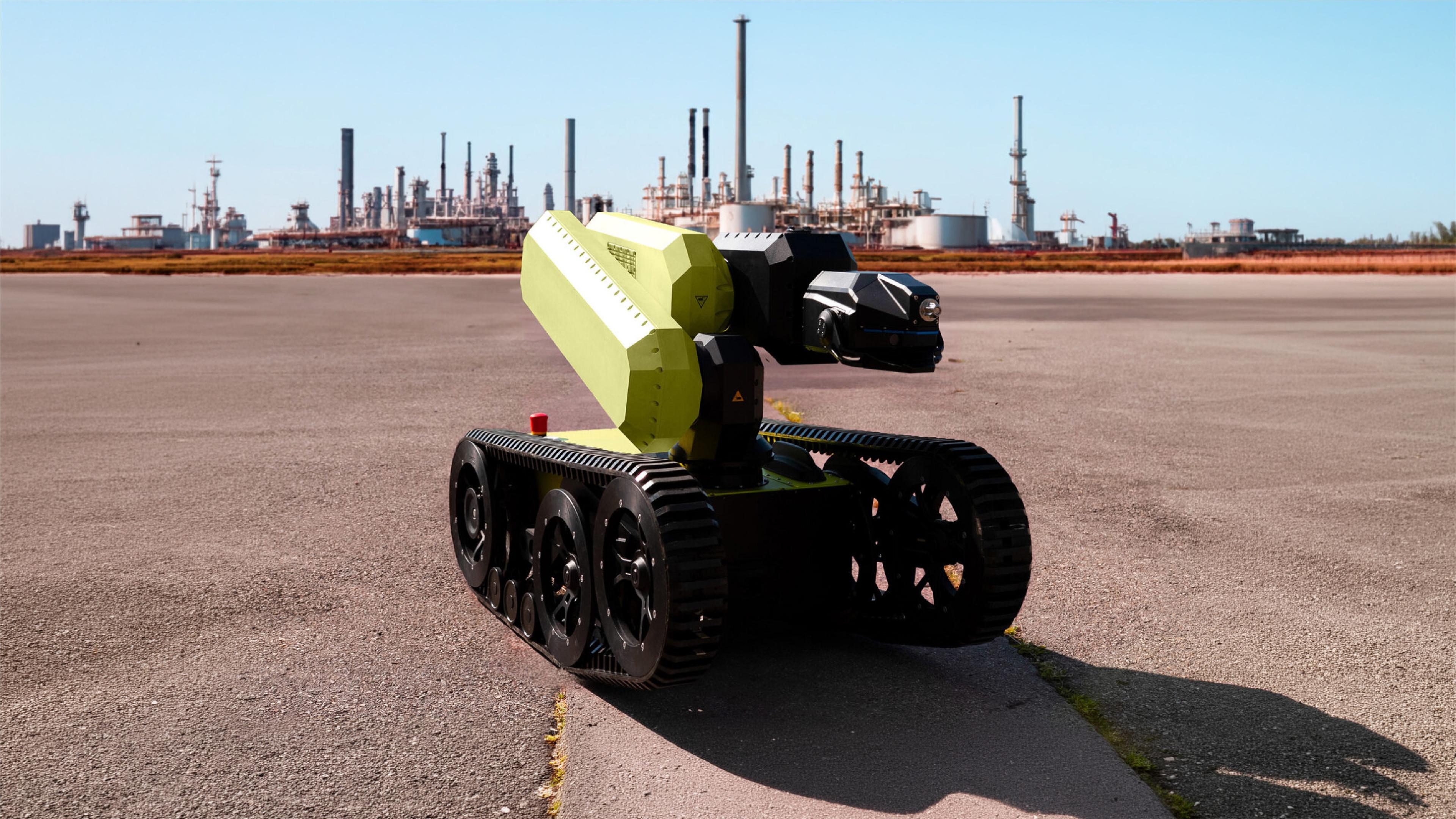
Gas plants leave zero room for human error, which is exactly why the latest inspector at Abu Dhabi’s Taweelah Gas Compression Plant isn't human.
In May, ADNOC deployed a heavy-duty Taurob robot to patrol the facility’s highest-risk zones. By sending this rugged, Austrian-engineered machine onto hazardous ground, ADNOC is collecting critical data while keeping its human workforce out of harm's way.
Meet the Plant’s New Set of Eyes
In the sort of industrial setting the Taurob is built for, routine work means being on the lookout for any hint of a gas leak or an odd heat signature, or some other hazard that could become a bigger issue down the line. With 360-degree thermal cameras and 3D LiDAR to chart its course, the robot provides engineers with a means of keeping an eye on their infrastructure and any trouble it may be in.
It is like having an extra set of eyes on site, only these can go where a human inspector would be exposed to danger.
From Spotting Trouble to Handling It
ADNOC is looking beyond inspection. Through the ARGOS Joint Industry Project, it is working with Equinor, a Norwegian energy company; the Net Zero Technology Centre, which develops technologies for the energy transition; Petrobras, a Brazilian energy producer; TotalEnergies, a global energy company; Saft, a battery technology specialist; and Taurob, an Austrian robotics developer, to build a heavy-duty “operator” robot capable of physically handling industrial equipment.
While an inspection robot spots potential problems, this next-generation machine is meant to get hands on with the equipment, like turning a valve, operating a gauge or heaving a tool, by remote or on its own. Capable of functioning in anything from -20°C to 60°C, it should be in operation before 2026 is out.
The Bigger Picture
One does not need an industrial robot simply to have a machine do what a person can. When a standard inspection carries serious risk, they are there to take the most arduous tasks off the workers’ plates. It is all part of ADNOC’s aim to see better safety and performance, in line with the UAE’s own aspirations in robotics and AI.
Should the day come when these machines are not just identifying but remedying a problem, it may well mark the next step for industrial robotics. Not so much in the way of supplanting the workers, but to ensure they never have to set foot in the danger zone
More articles on this topic
211 articles ReportWhat it Really Costs to Own a Personal Assistant Robot at Home
 ReportNVIDIA and Agile Robots Launch Humanoid Research Platform
 ReportThe Robots Giving Old Electric Vehicle Batteries a Second Life
 ReportUnderwater Robot Teams Take on the Problem of Seabed Waste
 ReportSmart Robotics to Boost Agriculture, Green Spaces, and Clean Tech
 ReportCould a Single AI Run Different Types of Robots?
 ReportAgility Robotics Co-Founder Reveals Why He Can't Love Digit 5
 ReportRobots Can Do Physical Work, but Can Businesses Afford Them?
 ReportHumanoid Walks 560km in Nine-Day Durability Test
 ReportChina Targets Retail and Logistics in New Embodied AI Plan
 ReportWhat Happens When Robots Lose Their Internet Connection?
 ReportChina's Industrial Robot Output Surges 29% in Nine Months
BUSINESS NEWS WEEKLY LETTER
The Weekly Letter for Robotics Professionals, Summarizing the Most Important Industry Moves, Launches, Deals and Signals.