Batteries Included: Why Staying Powered is Hard for Robots
Heavy power packs hold back machines as scientists race for lighter alternatives.
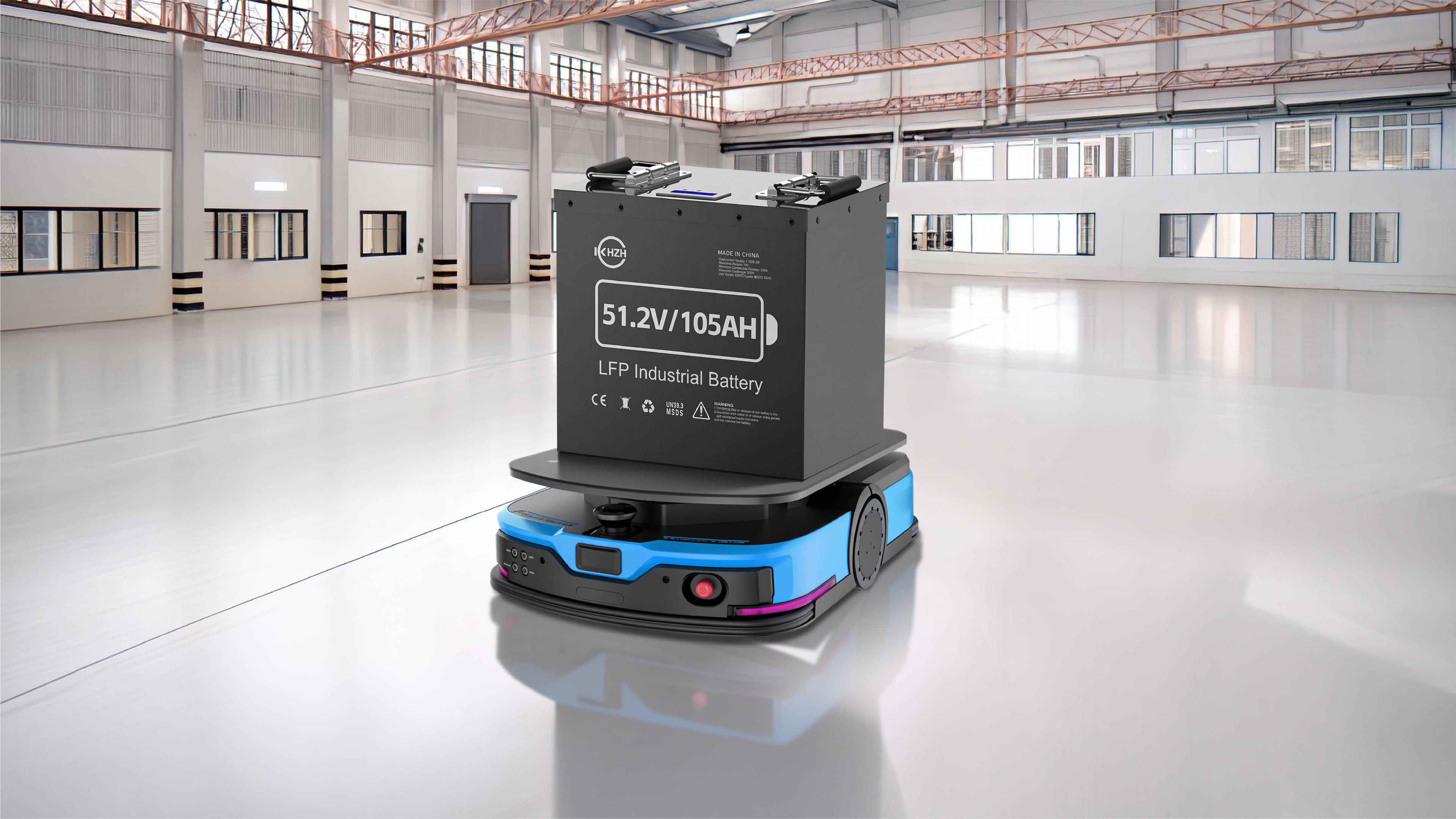
Robot vacuum manufacturer Narwal maintains that most robot vacuum batteries “typically run for 90 to 250 minutes.” What happens with larger, more advanced robots that use much more power.
Staying powered is the biggest challenge for robot designers and manufacturers. If a robot has to move around, keeping it plugged into a wall socket isn’t acceptable. Let’s dive into why battery capacity remains the final frontier for robots.
Comparing Robots and Smartphones
Before we get into the details, it’s best to start with a comparison between robots and smartphones. Similar to robots, consumers often think hard about smartphone specifications. One is battery capacity.
The larger the battery, the higher the capacity. The battery’s job isn’t only to provide immense power, but it also has to last longer. Bigger batteries store more energy since they have more cells.
For example, the Ulefone Armor 34 Pro rugged smartphone has a huge 25,500mAh battery. It weighs 825 grams too. This is at least three times the capacity of a standard everyday smartphone or even a flagship model. Ulefone claims it can go up to 10 days without charging.
Standard smartphones can go a day or two without charging, but robots might not have that luxury. Their batteries have to power motors, sensors, and nonstop calculations, not just displaying videos and playing sounds. That’s why engineers struggle to balance battery weight and runtime.
Most robots today also use lithium-ion batteries, the same type found in smartphones. While reliable, they don’t improve nearly as quickly as needed.
Battery Limitations
In 2025, a Chinese robot named Tiangong finished a half-marathon in Beijing. It ran around 21 kilometers in two hours, 40 minutes, and 42 seconds. The designers weren’t aiming for Tiangong to win, but to finish. The accompanying crew had to change its batteries three times, and other robots in the race were also overheating, another issue that plagues robotics.
Compare that to a human runner. Humans can eat and rest when tired, and our bodies shed heat much more efficiently. A robot can’t get energy from food as we do and, currently, the closest option is to change batteries. There’s the possibility of making robots that can change their own batteries, but that doesn’t entirely solve the problem.
Adding more batteries also slows the robot down, as modern lithium-ion batteries are heavy. Extra weight reduces efficiency and increases the energy robots need to move. The best solution is a lightweight, portable battery that stores plenty of energy and recharges quickly. Fortunately, scientists haven’t been idle in developing new batteries.
Future Batteries
Lithium-ion batteries remain a viable choice for smartphones, but robots need more power and less weight. Solid-state batteries and flow batteries have the potential to replace them.
Solid-state batteries contain no liquids and instead conduct ions through solid electrolytes. Compared to a standard lithium-ion battery, solid-state batteries can be made lighter while producing similar output.
Panasonic Energy recently developed a new solid-state battery that can function even up to 150 degrees Celsius. CTO Shoichiro Watanabe plans to “accelerate development of cylindrical batteries for humanoid robots.” He also hopes to ship samples out in October to December.
Solid-state batteries aren’t as flammable. If you’ve seen an electric vehicle fire, you know they take considerable effort to extinguish. With a solid-state battery, this disaster becomes avoidable.
On the other hand, flow batteries take the complete opposite approach, using only liquids to power a robot. This “robot blood” passes ions through a membrane and can store large amounts of energy. Like a solid-state battery, flow batteries can be made without flammable materials.
Cornell University’s Organic Robotics Lab built a jellyfish robot powered by liquid batteries. This small robot could run for around 90 minutes, showing how future batteries can revolutionize robotics.
Although these new batteries are promising, they remain incredibly expensive or require more practical testing to prove their effectiveness. Ko Young-seok, executive vice president and Product Planning head at SK On, said adopting solid-state batteries can be too expensive.
Doing Less Is More
Every bit of energy in a battery is precious. We just covered how newer batteries can increase runtime, but power drain remains an issue even with better batteries. Even when a robot is standing still, its processors are running.
Dirk Geiger, writing for DXresearch, noted that a Unitree G1 EDU-4 unit standing idle still consumed more than 50 percent of measured power compared to walking. In other words, even not moving uses too much energy.
That’s why having more power isn’t enough. Robot manufacturers must guarantee energy efficiency even when their products are idle. One solution is to use only the necessary systems when standing and keep unneeded systems off to save energy. Robots must also avoid any unnecessary motion.
In the case of robotics, less is sometimes more, whether it’s lighter weight or fewer resources used inefficiently.
Make Robots Eat
In 2020, researchers at the University of Pennsylvania designed and built one that eats metals. This metal-eating robot dragged a hydrogel over metal and used the electrons it produced as power. An associate professor of mechanical engineering at the University of Wisconsin-Madison believes batteries aren’t enough, and “there is another possibility: Build robots that eat.”
Some metals like aluminum and zinc appear to be more “nutritious,” while iron is less energy-dense but still a good source. The robot used only about 100 microns of metal, meaning it can feed on an endless supply of scrap metal. Of course, a robot can be programmed to eat only designated fuel, not our metal belongings.
Metals aren’t the only energy source, either. A fishlike robot named Gillbert, made by researchers at the University of Surrey, has gills to filter ocean water. These gills trap microplastics for removal. However, the researchers are exploring ways to convert these microplastics into energy.
Using plastic waste as fuel is also how Row-Bot works. Bristol University scientists gave Row-Bot a “stomach” containing plastic-eating bacteria, and it could function without a battery by continuously eating plastic.
The Race for Better Batteries
Some of the technologies we covered are still years away from being mass-produced. We’re unlikely to see robots with extended battery capacity everywhere anytime soon, but scientists are working hard to make it happen. Until then, we still need some incredible batteries that don’t break the bank or weigh a ton.
More articles on this topic
146 articles ReportJobs You Didn't Know Were Done by Robot Dogs
 ReportD-Robotics Raises $400 Million to Expand Robot Chips and Software
 ReportPudu Robotics BG1 vs. VIGGO SC50 Pro Plus: Which Cleaning Robot Fits Your Facility?
 ReportAutodiscovery Secunit vs. Argus Argus S5.3: Which Security & Patrol Robot Fits the Job?
 ReportFaraday Future to Launch Nine Robots
 ReportChecking In With Dinosaurs: Japan’s Henn na Hotels Put Robots at the Heart of Hospitality
 ReportGeek+ Opens Düsseldorf Lab for Live Warehouse Robot Demonstrations
 ReportExein Raises $270 Million to Secure Robots and Connected Devices
 ReportChangi Airport Deploys Up to 18 Autonomous Wheelchairs After Year-Long Trial
 ReportUBTech Robots Only 'Half as Good' as Humans
 ReportGoogle's DeepMind AI Can Switch Robot Bodies
 ReportAgility’s Digit 5 Humanoid Can Work Alongside People
BUSINESS NEWS WEEKLY LETTER
The Weekly Letter for Robotics Professionals, Summarizing the Most Important Industry Moves, Launches, Deals and Signals.