How Humanoid Robots Can Modernize Public Services
Humanoids are not just part of labs. Now you will see them sorting packages and helping elderly people at home. You will also see them working in factories.

August 18, 2026 by Carl
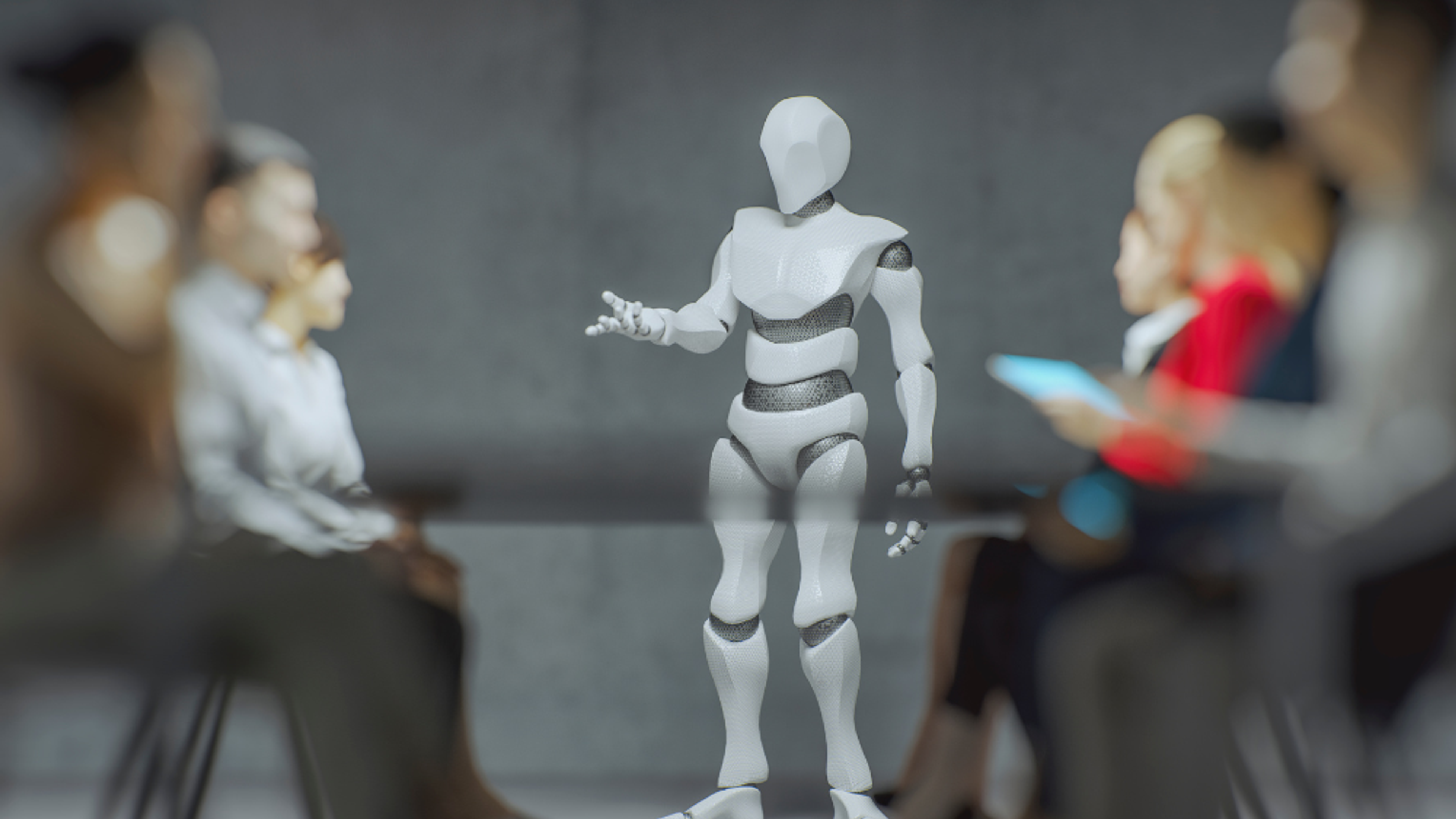
Just imagine a situation. You enter a government office, and instead of human staff, you are greeted by robots. They do all the work for you and answer all of your questions. They even help you fill out a form that you can’t do on your own. How does it feel? Seems unreal? But not anymore. Industry data states that shipments for these robots increased from 3,000 units to 13,000 units from 2024 to 2025. Also, more than 50,000 robots are now commercially working in 2026.
Humanoids are not just part of labs anymore. Now you will see them sorting packages and helping elderly people at home. Not only this, but you will also see them working in car manufacturing factories.
But one of the biggest opportunities for these machines is somewhere most people haven’t thought about yet – public services.
Why Public Services Need an Upgrade
Usually, what we see in public services is that they don’t have enough funding. They also face a severe shortage of staff. Because of all this, workers also face extreme pressure. They get exhausted because they have to deal with long queues. People also have to wait for hours, and it is still not sure that you will get your work done on time. So what’s the solution for that? When the workload gets too heavy, mistakes are also common.
This is exactly the kind of problem that robots could help solve. Not by replacing all the people, but by taking over the repetitive or time-sensitive tasks so that human workers can focus on what matters.
Here’s a look at where robots could make the biggest difference in public life.
1. Elderly Care and Social Services
This is probably the most urgent area. The world is getting older. Healthcare systems are struggling to find enough caregivers to keep up with the demand.
South Korea has already taken a big step. The government there subsidized a program that placed over 12,000 Hyodol robots in the homes of elderly people living alone. Care workers described these robots as “eyes and ears on the ground”. They alert staff to emergencies and track whether seniors are eating and taking their medication.
China launched a national pilot program in 2025, where at least 200 robots were supposed to be deployed in the homes of 200 families and tested for a minimum of 6 months. In early 2026, China also opened what it called the “world’s first smart wellness robot elderly care station.”
In the U.S., MIT engineers developed a robot called E-BAR (Elderly Bodily Assistance Robot). This helps senior citizens move safely and avoid falls.
Likewise, Andromeda Robotics raised $17 million to launch its robot for senior care in the U.S.
Both China and the U.S. are seriously testing and developing robots for elderly care. China is focusing more on large-scale trials. On the other hand, the U.S. is developing more advanced solutions.
So what do you think these robots can do for older people?
- They can remind them to take their medicines.
- They can help them move.
- They can call in case of an emergency.
- They can provide company when someone feels lonely.
- And the best part is that they can monitor their health and send reports to the family or doctors.
The shortage of caregivers is real. It is also growing day by day. Robots won’t replace a human, but they can fill the gap for many hours when no one else is there.
2. Public Health Facilities
Hospitals are already using robots in many ways. Surgical robots, medication delivery bots, and automated pharmacy systems have been around for years. But humanoids open up new possibilities.
Fourier’s GR-3 robot is specifically aimed at hospitals and rehabilitation centers. It guides patients through physical therapy exercises. It gives some weight support during recovery. These are the tasks that are currently done by human therapists.
In a hospital setting, robots can:
- Deliver meals and medicines to patients
- Guide visitors through hospital buildings
- Help with paperwork
- Assist nurses by moving equipment
- Support rehabilitation exercises for recovering patients
This does not mean that they become doctors or nurses. This means that nurses can spend their time on other tasks. These tasks include the work that only requires the expertise of these nurses.
3. Postal Services and Package Delivery
These are physically demanding. Workers walk for miles every day and lift heavy boxes. They deal with all kinds of weather. It’s also one of the areas where humanoids are proving themselves.
Digit has logged over 65,000 hours across nine facilities. It has moved more than 100,000 packages at a GXO warehouse. This robot picks up boxes and transfers items.
For postal services, this kind of technology means:
- Quick sorting at mail centers
- Fewer workplace injuries
- Delivery in hard-to-staff areas
- 24/7 operation
Agility Robotics is going public through a $2.5 billion deal. This tells how seriously the business world is taking this.
4. Government Offices
Anyone who has visited a government office knows the experience. Long waits and confusing paperwork are always there. Sometimes staff is so overwhelmed that they can’t properly handle everyone. Robots are already being tested in customer service and information booths.
In an office, a robot can provide basic help. For example, if someone needs information, the robot can answer questions in different languages. It can guide people to the right counter. And it can help them fill out forms step by step.
If someone is confused about anything, the robot can explain that information. And the most useful part is that the robot can be available 24/7. So people can ask questions even outside office hours.
For cities with immigrant populations, multilingual robots can be useful. They never lose patience or have a bad day. They can serve hundreds of people without getting tired.
5. Schools and Public Education
Education is another area where public funding is often not enough. Teachers have a lot of workload, and students with special needs often don’t get the individual attention they need.
Robots can work alongside teachers in classrooms by:
- Helping students with repetitive learning tasks
- Providing one-on-one tutoring when teachers are busy
- Supporting children with disabilities
- Reading to younger children or helping with language learning
UBTech’s Walker series and various AI-powered education bots are already being trialed in schools across Asia. They don’t replace teachers. They give teachers backup, especially in understaffed schools.
6. Emergency Services and Disaster Response
Foundation’s Phantom MK-1 became the first humanoid deployed to an active combat zone in early 2026. Similar technology is being explored for civilian disaster response.
In public emergency services, robots can help human responders in dangerous situations. For example, if a building collapses after an earthquake, a robot can search through the debris.
If a building becomes dangerous because of a fire, a robot can go inside and check whether anyone is trapped. If an area becomes completely cut off because of floods or landslides, robots can deliver essential supplies there.
And if there is hazardous material at a location, a robot can handle it, so human emergency workers don’t have to put themselves in danger.
These are the situations where having a robot can be a real advantage. If a robot gets damaged, it’s not the same kind of tragedy as a human getting injured.
In other words, it can make more sense to send robots into situations where human workers would be at a high risk.
How Big is This Market Getting?
When we look at the numbers, the picture is pretty impressive. The humanoid market was worth around $7.8 billion in 2025. It is expected to reach $248.9 billion by 2036. In other words, the market is expected to grow very rapidly.
The main factors behind this are falling costs and better AI, along with increasing demand across different industries. And public services are part of that too.
Global humanoid robot shipments could exceed 510,000 units by 2030. Bipedal robots are expected to lead the market. Their share could be more than 63%.
There’s a simple reason for this. Our world is designed for humans. Hospitals, schools, offices, and government buildings have spaces designed around the human body. So a robot that can move on two legs like a human can work in existing environments relatively easily.
What’s Holding Things Back
It won’t be honest to show only the positive side of the picture. There are still some problems that need to be solved before robots can work reliably.
The first one is battery life. Most robots can only run for around 1 to 4 hours. That’s not enough for a full shift. So it limits where and how long a robot can be used.
Reliability is another issue. Industrial customers expect machines to be running 95-99% of the time. But most humanoids haven’t reached that level yet. One reason is that AI still can’t handle unpredictable situations.
Safety rules are also not keeping up with the technology. Robots create new physical safety risks. The legal and safety standards are still being developed. This becomes a bigger concern in public places where there are children or elderly people. These safety issues need to be addressed before robots can be widely deployed.
Cost is high. Prices are coming down, but capable robots still cost roughly $30,000 to $250,000. Public sector budgets are limited. So large-scale adoption may require government funding or leasing programs.
There are also concerns about jobs. Workers worry that robots can replace their jobs. And that fear is understandable. Historically, automation has also created new jobs. For example, when ATMs were introduced, the number of bank tellers in the U.S. doubled over the following decades. It happened because banks were able to open more branches. But that does not mean the transition is easy. Affected workers need support and retraining. Simply telling them not to worry isn’t enough.
And then there is the issue of privacy. Robots in public places can see and hear a lot of things. So it needs to be clear who controls that data. Before robots are deployed in government places, we need clear answers.
What Needs to Happen for This to Work
First, governments need to create clear rules. They need to tell what data robots can collect and who will be responsible if something goes wrong. Lawmakers in the U.S. are already paying attention to it. Legislation like the Humanoid ROBOT Act of 2025 shows that the government is taking this technology seriously, although its focus is more on national security.
At the same time, manufacturers need to improve reliability and safety. The technology has made a lot of progress in a short time. But there’s still more work to do, especially before hospitals and schools can confidently rely on these robots.
And public institutions should start planning now. They should run small pilot programs to see where robots are useful and where they create problems. If robots are introduced carefully, it will be more beneficial for the public.
What’s the Take On That
Humanoids are not coming to replace teachers, nurses, postal workers or social service staff. But they will definitely change the way these jobs are done.
Robots can handle dangerous and repetitive tasks. This allows workers to focus on things that only humans can do well. This includes listening to someone with empathy and making complex decisions in difficult situations.
The technology is real. It is improving fast and the demand from public services will only grow as populations age, workforces shrink and budgets stay tight. The countries that use these tools responsibly will be in a much stronger position in the coming years.
We’re not fully there yet. But we’re a lot closer than most people realize.
More articles on this topic
59 articles ReportCounterpoint Expects Work Applications to Drive 90% of Humanoid Shipments by 2030
 ReportHealthcare And Care Robots: Which Companies Are Building Robots For Hospitals, Clinics, Elderly Care?
 ReportTiny Robots Can Soon Dissolve Kidney Stones In A Jiffy
 ReportUnitree’s 'Superman' Robot Claims to Outrun Usain Bolt
 ReportForeign Investors And Tech Executives Pay Up To $15,000 To Tour China’s Factories
 ReportCan Certified Robots Compete With China's Cheap Patrol Bots?
 ReportQuadruped Robots Are Becoming Big Business: Here’s Why The US Is Targeting Chinese Makers
 ReportHumanoid Robots Hit Mass Production
 ReportHow Robots Are Learning to Read Minds?
 ReportAre Humanoid Robot Videos Misleading Us?
 ReportHow Do Collaborative Robots Increase Workplace Safety?
 ReportHow to Train a Humanoid Robot for Hard Work
BUSINESS NEWS WEEKLY LETTER
The Weekly Letter for Robotics Professionals, Summarizing the Most Important Industry Moves, Launches, Deals and Signals.