StarBot Launches $7,999 Spark Humanoid for Education and Robotics Development
A 90-centimeter humanoid with 22 joints and a $7,999 price tag is aimed at classrooms and developers. Whether that opens up robotics depends on what the price leaves out.

November 5, 2026 by Dr Maulik Vyas
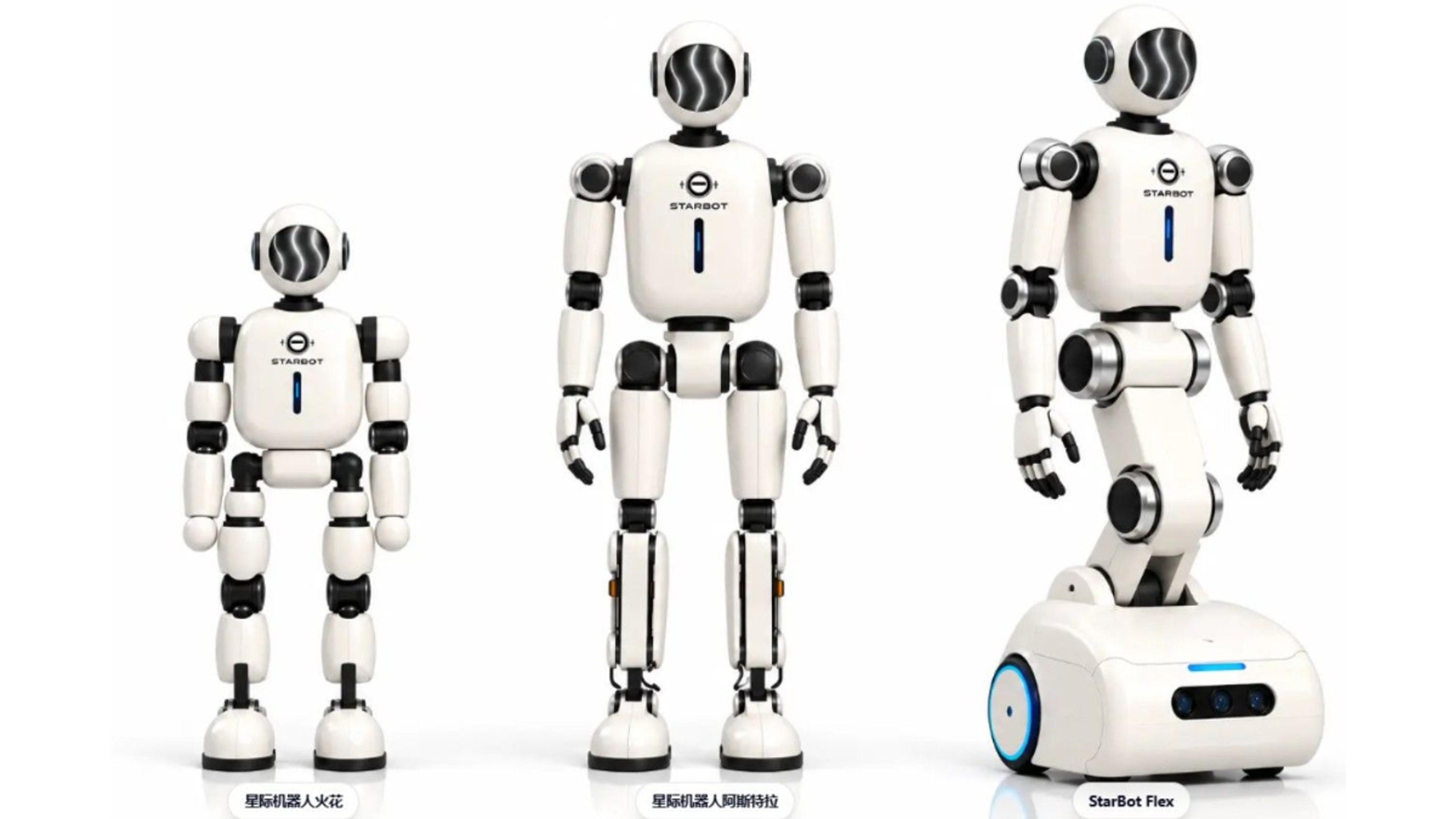
StarBot Robotics has launched Spark, a compact humanoid robot priced at $7,999 and aimed at families, schools and developers. The Santa Barbara company, which came out of the University of California, Santa Barbara’s incubation ecosystem, says the goal is to build robots ordinary people can afford.
Spark stands about 90 centimeters, or roughly 3 feet, tall and weighs 35 pounds. It has 22 degrees of freedom, which counts the independent joints that let it move. According to StarBot’s website, it runs on a 24-volt battery for up to three hours and charges in about 40 minutes. The company positions it for child companionship, youth robotics education and developers who want a physical robot to work with. It comes in several colors.
The pitch is a first hands-on look at robotics. Younger users can start by watching the robot move, then try programming with help from a parent or teacher, while experienced developers get an open platform for their own ideas. StarBot’s website adds AI projects and supervised research to the list.
The price needs some unpacking. $7,999 is the standard figure. The website offers the first 100 confirmed orders a lower introductory price starting at $5,999, and it takes reservations for a $200 deposit that’s credited toward the final price. Taxes, shipping, delivery timing and support terms are quoted separately, and the final configuration is confirmed before purchase. The site also lists October 18 as the on-sale date, so it’s not obvious when buyers will actually get a robot.
Is that cheap? Compared with most humanoids, yes. Compared with a school budget line, maybe not. A single unit might suit a family or a developer, but a classroom wanting one robot per small group would need several. The introductory price helps. It doesn’t change the basic math for a school.
The 22 degrees of freedom is a respectable number for a robot this size, enough for varied whole-body motion. It doesn’t say much on its own, though. The announcement doesn’t explain how those joints are split between legs, arms and hands, what the hands can do, or what software tools students would use. It also doesn’t describe a curriculum or child-safety testing, and those details tend to matter more to teachers than a joint count.
The manufacturing claim is the headline. StarBot says Spark is 100 percent manufactured in the United States and calls it North America’s first U.S.-made developer humanoid in its size and price category. Both statements come from the company. The release doesn’t say whether the claim extends to parts such as motors, batteries and chips, and it doesn’t name any independent check.
StarBot does have a track record to point to. Its service robot Nova, sold at $4,999 plus a $499 monthly subscription, has served more than 20,000 people in commercial settings, according to the company. That’s experience in restaurants, though, and a classroom is a different test.
For now, Spark makes a physical humanoid more reachable for hobbyists, families and small programs. Whether it becomes a teaching tool depends on the software and support that arrive with it.
More articles on this topic
251 articles ReportWhat it Really Costs to Own a Personal Assistant Robot at Home
 ReportFMC3 Robotics Advances Two Factory Projects Using Autonomous Mobile Robots
 ReportCainiao Upgrades Climbing Warehouse Robots to Improve Storage Efficiency
 ReportSouth Korean Startup MOVIN Raises KRW 10 billion to Advance Robot Training Technology
 ReportAgiBot Deploys Six Genie G2 Humanoids for a 24-Hour Convenience Store Challenge
 ReportFF EAI Robotics Reports 1,168 Robot Deliveries Since February After Record October Sales
 ReportUBTECH Launches Thinker-Sim to Train and Test Robots in Virtual Environments
 ReportAgility Robotics Expects $465 Million Gross Capital Raise in Proposed Nasdaq Listing
 ReportHD Hyundai Robotics Says Palantir AI Cuts Robot Problem-Solving Time by 63%
 ReportMeta Builds Humanoid Robot Prototype with China's Fourier, Begins Work on Second Version
 ReportWhy Turning a Doorknob is Robotics’ Hardest Test
 ReportThe Ultimate Blind Spot: How Rescue Robots Sense the Invisible
BUSINESS NEWS WEEKLY LETTER
The Weekly Letter for Robotics Professionals, Summarizing the Most Important Industry Moves, Launches, Deals and Signals.