Physical Intelligence Opens Its Robot AI Models to Developers
Physical Intelligence's new API allows developers to train and run advanced robot AI models without building their own infrastructure.
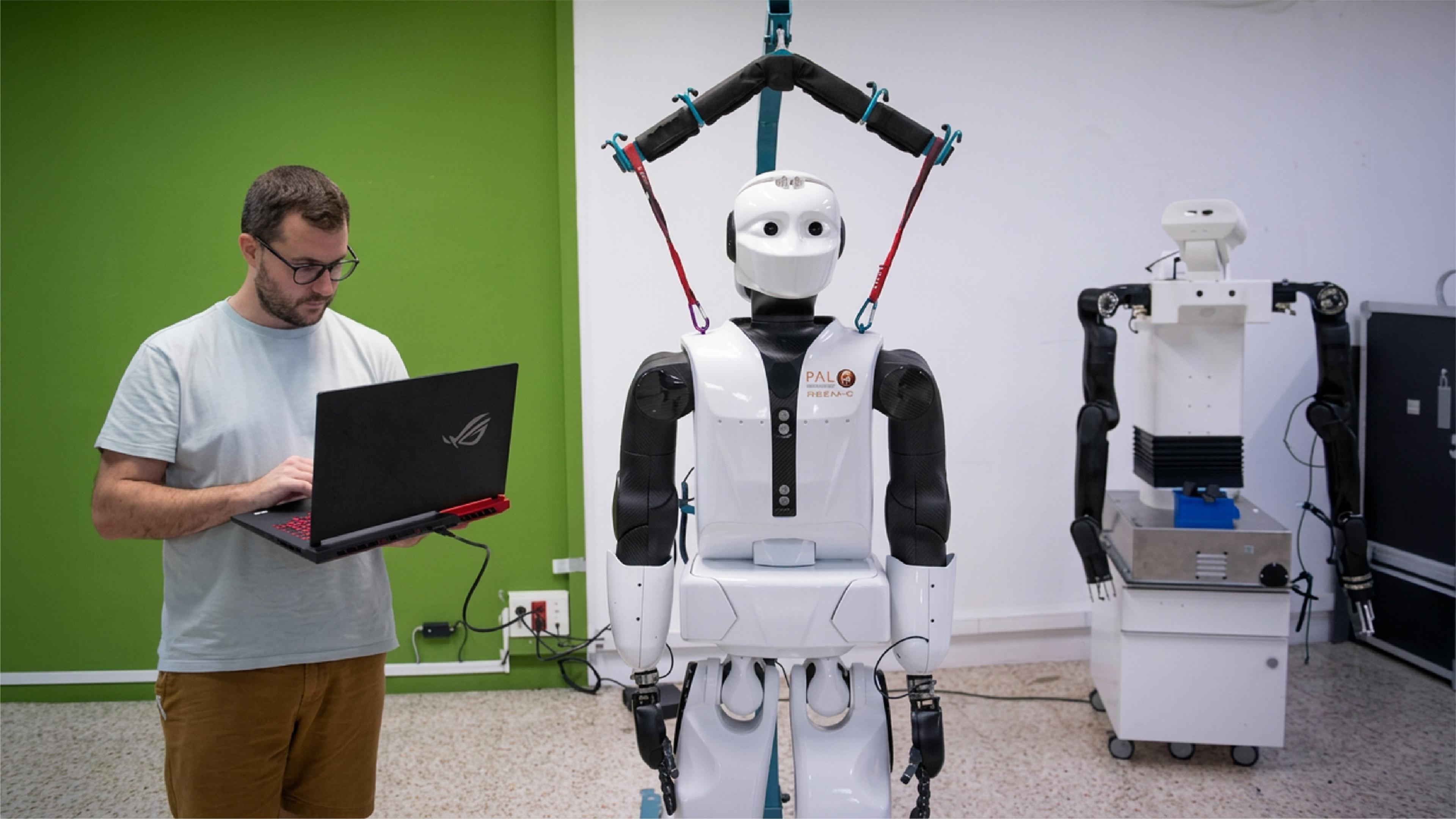
With the beta version of its Pi API that went live on October 13, Physical Intelligence is making its robot AI models available to external developers. The San Francisco firm’s offering means those outside the company can put the models to work on their own hardware and train them, all without having to put in place the necessary computing infrastructure.
The new API gives robotics teams the means to tailor an advanced AI model to the hardware and tasks at hand. A developer will be able to put training data through Physical Intelligence’s cloud-hosted service, fine-tune a model on the company’s infrastructure and then have access to the finished system. It is an answer to one of the bigger problems in the field of robotics, namely, how to instruct a machine to do something of physical use without putting together a whole new AI for each and every application.
Physical Intelligence has put forward some general-purpose models already, such as π0 and π0.5, that are built to take in data and pick up physical behaviors suited to the environment. To make use of them in the past, though, it was required for the developer to deal with the software infrastructure and the complex training pipelines and resources involved. The API takes care of a good deal of that, so teams can focus on what they want their robots to do.
Early on, the company has worked with applications in industrial operations, the warehouse, food prep and agriculture; a few of these systems have seen commercial testing, although Physical Intelligence has not published standardized performance figures covering all participating projects.
A handful of developers were also given the run of the API to see if they could improve their robots' capabilities independently.
Training is key to the system. The process is for a developer to gather some task demonstrations, train and test a model on an actual robot and look at where it falls short to see what more data is called for, then go about improving the model with further rounds of testing.
Most of the applications put forward in the announcement made use of the cloud for AI processing, says Physical Intelligence, but there were some network issues. An internet connection cannot always be relied on in the environments where a robot may have to run non-stop, so that is something to factor in.
As it widens its testing, the company is taking on a limited number of beta applicants. There has been no word yet on pricing or any kind of broader availability and detailed performance benchmarks.
What it does offer is a way for a robotics developer to use sophisticated AI without constructing the technology from the ground up. In a sense, it is part of the move to provide robot intelligence as a service, which could put better machines within reach of smaller robotics teams.
Whether the approach will successfully be able to deliver reliable performance across a wide range of real-world tasks remains to be seen.
More articles on this topic
187 articles ReportWhat it Really Costs to Own a Personal Assistant Robot at Home
 ReportFour Humanoids Designed To Tackle Danger Zones
 ReportWhy Google's AI Made Spot Practise Using a Bin
 ReportTwo Tiny Robots Taking Heart Treatment from the Inside Out
 ReportAbu Dhabi’s New Robot Cooks Dinner Within Four Minutes
 ReportTry Before You Buy: Five Places to Test-Drive a Robot
 ReportGoogle AI Teaches Humanoid Robot to Play Cornhole by Watching Human Videos
 ReportYour Old Smartphone Could Soon Get a New Robotic AvatarReportWhy Google's AI Made Spot Practise Using a Bin
 ReportHumanoid Robots Are Learning to Navigate Obstacles Like Humans
 ReportWhat Happens When a Humanoid Robot Makes a Mistake?
 ReportFrom Factories to Homes: How Robots are Assisting at Construction Sites
BUSINESS NEWS WEEKLY LETTER
The Weekly Letter for Robotics Professionals, Summarizing the Most Important Industry Moves, Launches, Deals and Signals.