Four Humanoids Designed To Tackle Danger Zones
Four Humanoids Designed To Tackle Danger Zones

October 16, 2026 by Manaal
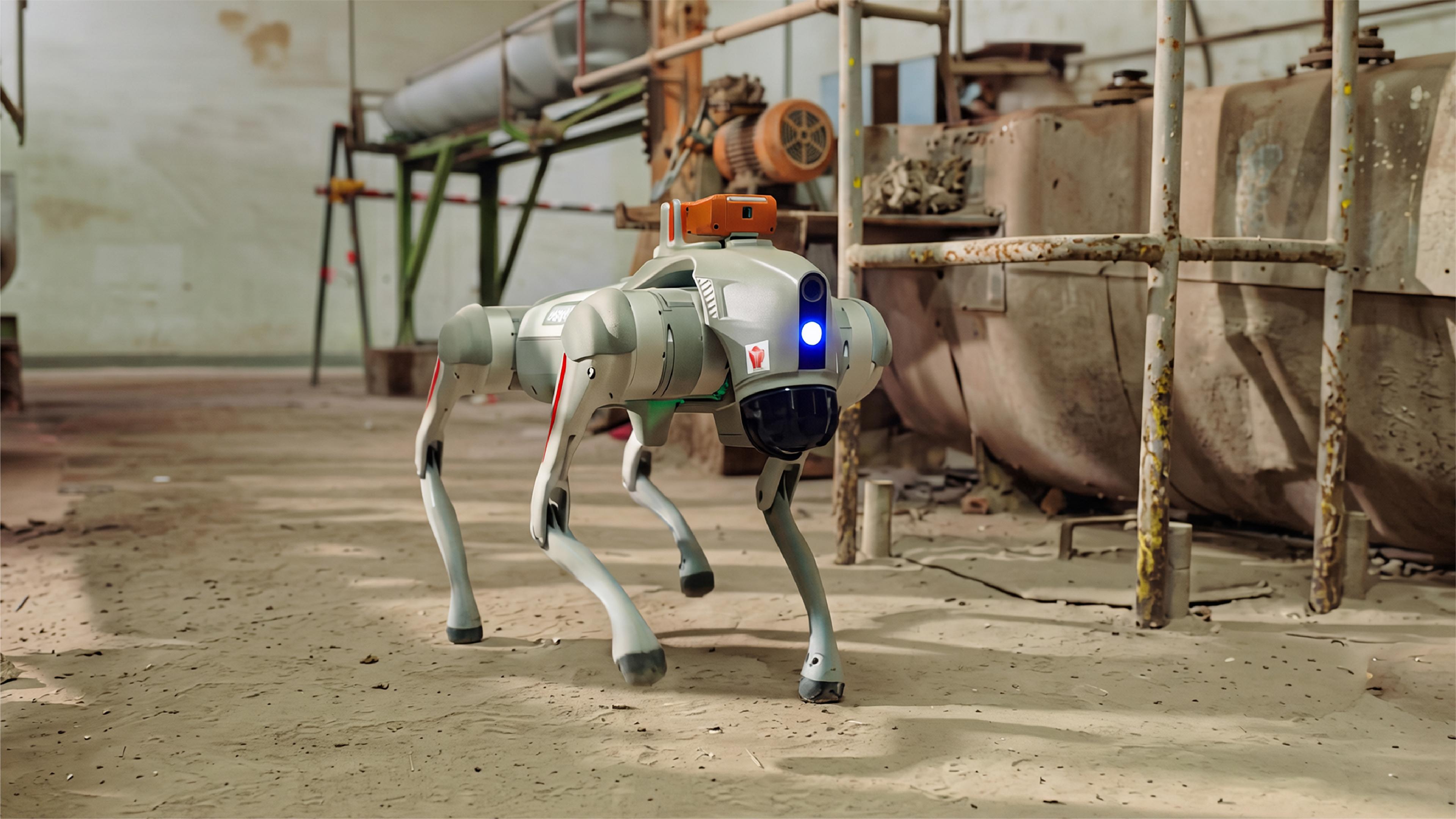
For as long as one can remember, people have risked their lives doing some of the world's most dangerous jobs. From putting out fires to handling explosives to working around high-voltage equipment, humans have done it all. But robotic advancements could change this soon.
Robots world over are now being trained to step into hazardous situations, taking on duties that would otherwise put human lives at risk. Companies are manufacturing humanoids that can operate in places where people can encounter serious injury, whether that's a damaged factory, an offshore energy facility or the scene of an explosion. Compiled below are four humanoids being put to the test and the dangerous jobs they could one day take over from humans.
Singapore’s humanoids are handling hazardous chemicals
Home Team Humanoid Robotics Centre based in Singapore is testing humanoids on carrying out potentially dangerous jobs. One robot demonstrated taking a sample of a simulated hazardous chemical. Another moved rubble at a mock explosion scene. Additionally, one more humanoid practiced restocking emergency medical supplies and searching a prison cell.
The goal is to keep police officers, firefighters and other emergency personnel away from unnecessary danger. The agency hopes to introduce humanoids into defined real-world operations by 2028.
Ken is taking on dangerous electrical work
Imagine having to operate high-voltage electrical equipment, where a mistake could cause a serious accident. That's exactly the sort of job Ken is being tested for.
Ken is built on the Unitree G1 humanoid platform and has been adapted through a collaboration between Weston Robot and Keppel Technology Solutions.
Instead of having an engineer physically approach the equipment, the idea is for Ken to handle the switchgear while the engineer supervises from a safer position.
Roger is learning how to tackle explosives
That's the problem Roger, a humanoid developed by US startup Minerva Humanoids, is being designed to address suspicious packages. The robot will soon be able to invest parcels that looks mysterious and could be dangerous for humans to come into close contact with.
Unveiled in October 2026, Roger aims to let trained specialists handle dangerous objects without physically entering the hazard zone.
An operator puts on a virtual reality headset and special gloves that can provide touch feedback. They can then see through the robot's cameras and guide its hands from a distance. Roger is being developed for explosive ordnance disposal, hazardous materials work and other jobs where technicians would normally need protective equipment.
The company also describes possible airport security missions, including investigating suspicious cargo or handling explosive threats.
WALK-MAN practiced surviving earthquake aftershocks
Researchers at Italy's Istituto Italiano di Tecnologia (IIT) were eager to find out whether a humanoid robot could handle some of the most perilous tasks first. So, they designed WALK-MAN – a humanoid invented to support emergency response teams.
In February 2018, researchers demonstrated an updated version of WALK-MAN inside a laboratory environment designed to resemble an earthquake-damaged industrial facility.
The robot had four tasks. It first had to open a door and enter the damaged area. Next, it needed to locate and turn an industrial valve to simulate stopping a gas leak. It then had to move debris out of its way before finding a fire and activating an extinguisher.
WALK-MAN completed all four tasks during the controlled demonstration.
The robot stands about 185 cm tall and weighs approximately 102 kg. Its redesigned body was 31 kg lighter than the earlier version, making it easier to move and balance.
It can also react to pushes by stepping sideways to help prevent a fall.
And unlike robots that operate entirely on their own, WALK-MAN was guided by a human wearing a sensor-equipped suit and using a virtual interface. The robot essentially acted as the person's body inside the dangerous environment.
More articles on this topic
187 articles ReportWhat it Really Costs to Own a Personal Assistant Robot at Home
 ReportWhy Google's AI Made Spot Practise Using a Bin
 ReportTwo Tiny Robots Taking Heart Treatment from the Inside Out
 ReportPhysical Intelligence Opens Its Robot AI Models to Developers
 ReportAbu Dhabi’s New Robot Cooks Dinner Within Four Minutes
 ReportTry Before You Buy: Five Places to Test-Drive a Robot
 ReportGoogle AI Teaches Humanoid Robot to Play Cornhole by Watching Human Videos
 ReportYour Old Smartphone Could Soon Get a New Robotic AvatarReportWhy Google's AI Made Spot Practise Using a Bin
 ReportHumanoid Robots Are Learning to Navigate Obstacles Like Humans
 ReportWhat Happens When a Humanoid Robot Makes a Mistake?
 ReportFrom Factories to Homes: How Robots are Assisting at Construction Sites
BUSINESS NEWS WEEKLY LETTER
The Weekly Letter for Robotics Professionals, Summarizing the Most Important Industry Moves, Launches, Deals and Signals.