Apptronik Opens Expanded Robot Park to Train Apollo Humanoid Robots for Real-World Jobs
Texas-based robotics company Apptronik has opened an expanded Robot Park. It is almost a 90,000-square-foot training facility.

July 2, 2026 by Carl
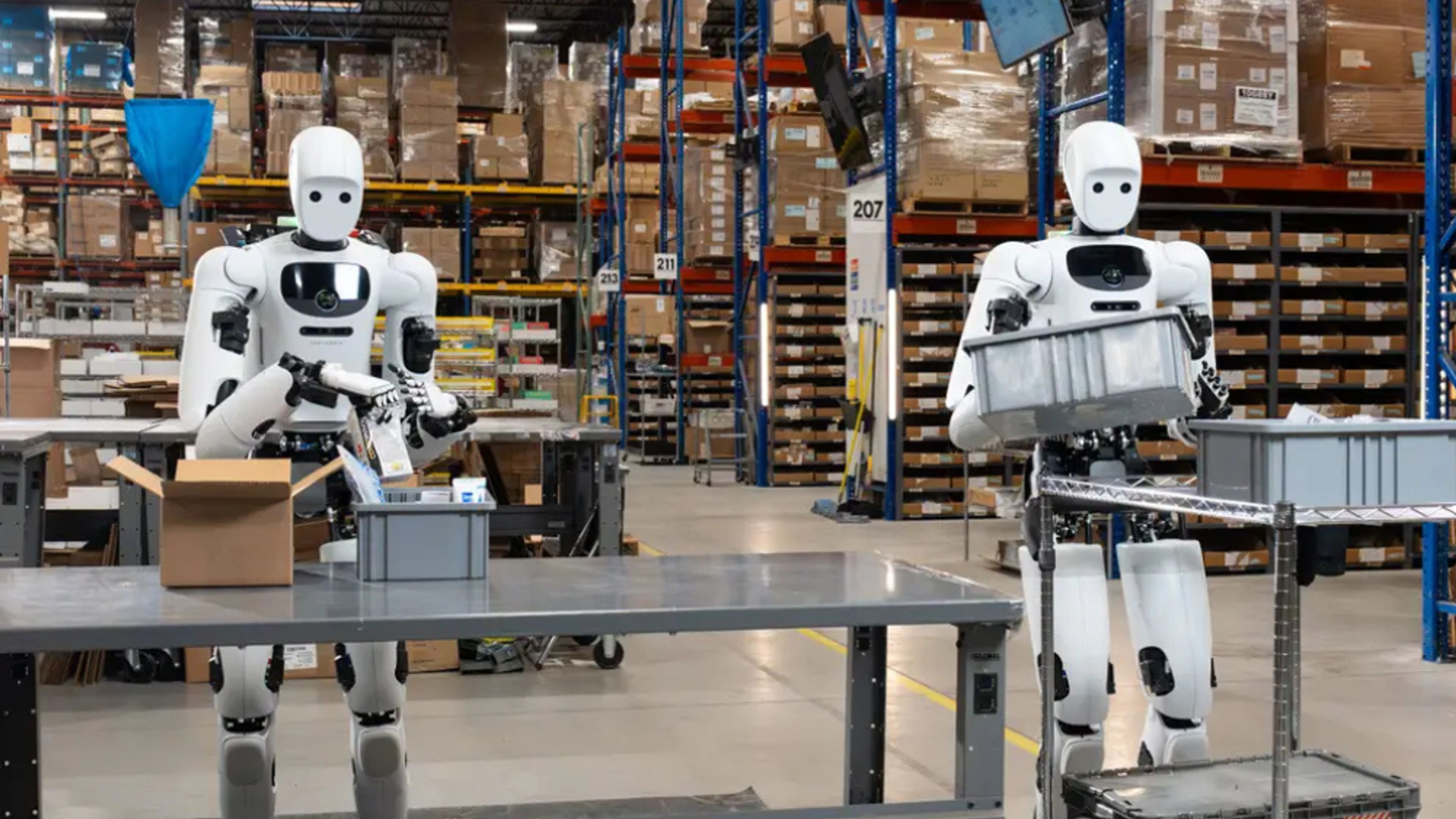
Texas-based robotics company Apptronik has opened an expanded Robot Park. It is almost a 90,000-square-foot training facility. The company has designed this school in order to train robots for real-world work.
Alongside this facility, Apptronik also introduced Apollo 2. This is basically the latest version of its humanoid robot platform. This robot is available in both bipedal and wheeled configurations. This helps the robots work in industries as well as commercial environments. The company has developed Apollo 2 as a data collection platform. This robot is capable of continuous learning through performing real-world tasks at Robot Park and customer locations.
The Austin facility serves as the centre of a growing global network of Robot Park sites located at customer and partner locations. Fleets of Apollo 2 robots are already working at different locations and are collecting large amounts of real-world data. Wondering why this data is needed? Well, this data proves to be super beneficial for improving robotic intelligence. As per Apptronik, this initiative strongly supports their research partnership with Google DeepMind. The data collected here is used to develop and further improve Gemini Robotics, which is actually Google DeepMind’s foundation model for robotics.
Wondering what exactly happens inside the Robot Park? So basically, Robot Park is not like your traditional robot manufacturing plant. In fact, the CEO and Co-Founder of Apptronik, Jeff Cardenas, calls it a “data factory.” Here, fleets of Apollo 2 robots spend days performing a variety of tasks. These tasks include stacking boxes and sorting out products. Plus, the robots also get trained on moving items from one workstation to another, along with handling other repetitive tasks required for logistics and manufacturing. Many of these tasks are initially guided through teleoperation. Not only this, but the company also uses autonomous robot execution and high-fidelity physics simulations to generate diverse training data.
Apptronik said that Apollo 2’s modular robot design enables broader deployment across customer sites. The wheeled version is designed in such a way that it can integrate into existing industrial operations easily. While designing this version, the company also focused on keeping up with the current safety standards for mobile robots. On the other hand, the bipedal model is developed for environments that require human-like mobility. This helps the company improve the robot’s walking capability and reliability in complex workplaces.
As per Jeff Cardenas, the company is focused on creating a continuous learning cycle in which robots perform real work, collect data, and improve with every deployment. Chief Commercial Officer Barry Phillips added that the modular approach allows the same core humanoid technology to be adapted for different customer needs while supporting future large-scale adoption.
The company said insights and data gathered through Apollo 2 will directly support the development of its next-generation commercial humanoid robot, Apollo 3, which is expected to launch with significantly more advanced embodied AI capabilities.
This announcement has come at a time when competition in the field of humanoid robots is growing fast. Giant companies like Figure AI, Tesla, Agility Robotics, Norway’s 1X, etc., are actively participating in the race to commercialize humanoid robots in industries like manufacturing, logistics, and many more.
Apptronik’s future plans are super ambitious. They are not coming slow by any means. The company plans to expand its global network of Robot Parks. Not only this, but they’re also planning to open some facilities for the public, too. Wondering why? Well, this facility will allow visitors to actually have a look at how these humanoid robots keep improving and adapt to changes through continuous real-world training.
More articles on this topic
224 articles ReportWhat it Really Costs to Own a Personal Assistant Robot at Home
 ReportThe Dawn of the Mechanical Safari: Why Robotic Zoos Are the Talk
 ReportHumanoids Struggle With Unfamiliar Chores, New Research Finds
 ReportQuadruped Solves Giant Rubik’s Cube Using Only Its Feet
 ReportNVIDIA Uses AI Agents to Teach Tiny Walking Robot to Navigate Obstacles
 ReportScientists Develop System to Help Robots Gesture Without Losing Balance
 ReportRobotic Fish Offer New Way to Track River Pollution
 ReportHigh Torque Robotics Partners With Sharebot to Expand Humanoid Access Across China
 ReportAudi Tests Agile Robots' Mobile Humanoids for Factory Logistics
 ReportFrom Flips to Dance Moves: New AI Trains Humanoid Robots in Record Time
 ReportHow a Tiny Robot Searches for Hidden Damage Inside the Wind Turbine Blades
 ReportRadioactive Mess? Better Call Spot
BUSINESS NEWS WEEKLY LETTER
The Weekly Letter for Robotics Professionals, Summarizing the Most Important Industry Moves, Launches, Deals and Signals.