Surprising New Careers Created by The Everyday Consumer Robotics Boom
From home data collectors to robot teleoperators, here are the real robotics careers appearing as home robots go mainstream, and what they pay.
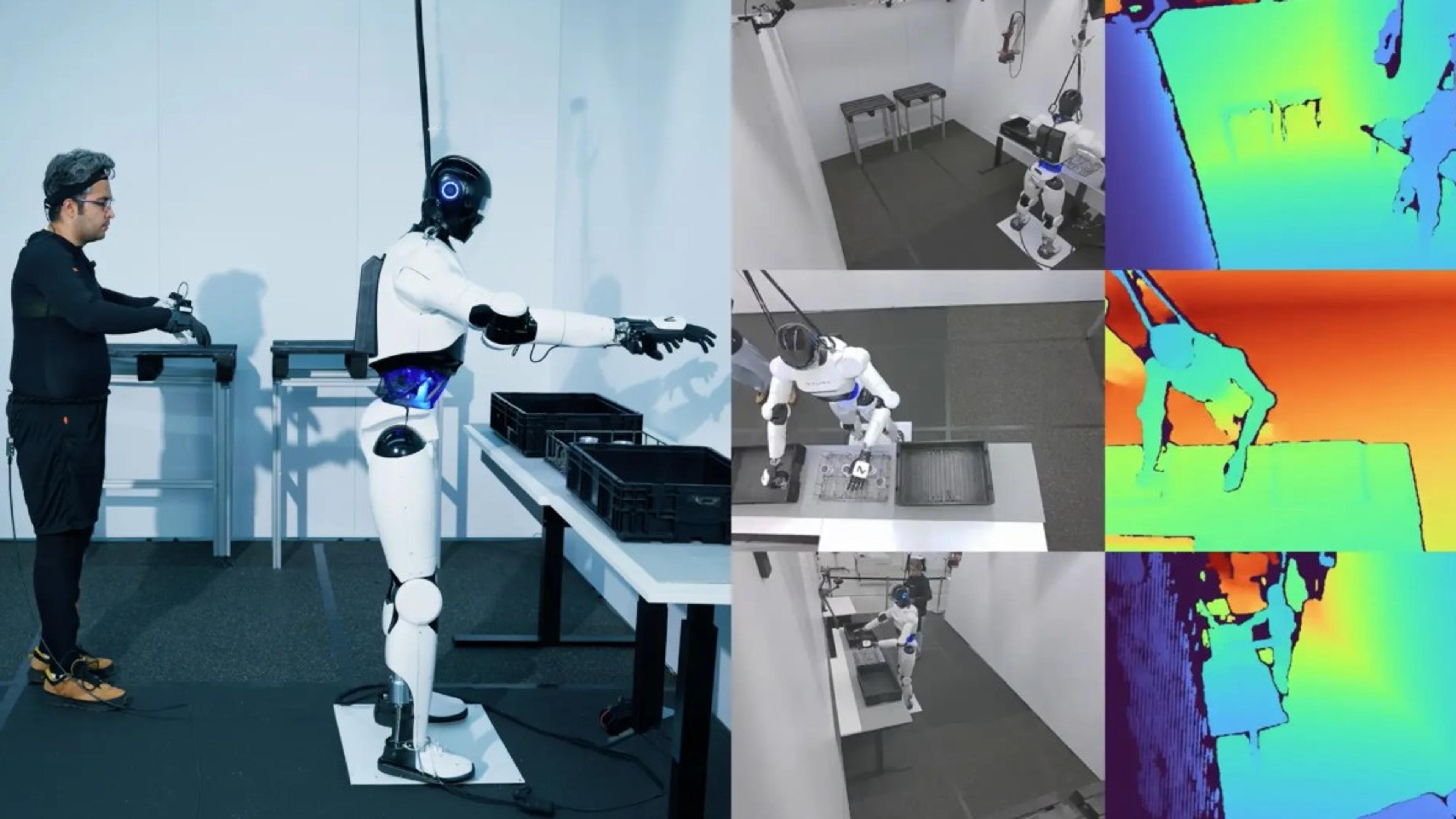
When people picture consumer robotics, they usually picture machines doing chores for us. Fewer picture the people behind those machines. But have you ever thought of the jobs created by everyday consumer robots? Popular job boards have started listing unusual roles that range from teleoperators who manage humanoid robots through Virtual Reality headsets to home data collectors who video record their own kitchens.
Why consumer robotics needs so many people
Numbers explain why hiring is starting. Robotic industry forecasts the consumer robotics market value at nearly $15 billion in 2025. This is likely to grow past $100 billion by 2034. Estimates vary between firms, so one may treat these figures with caution, but they all point the same way.
Consumer robots are categorized broadly: robot vacuums, lawn mowers and personal assistant robots, and the humanoid. Everywhere, lucrative jobs are showing up because each one of those machines needs data, supervision and repair. Someone has to supply all three. The first job on the list doesn’t even require leaving home.
The home data collector
In China, embodied intelligence firms are paying ordinary people, including stay-at-home mothers and factory workers, to collect the real-world data used to teach robots household chores. At Longyu Big Data, one collector uses a gripper device to pick up objects around her own home according to daily instructions. The team has about 100 people, and part-time stay-at-home mothers make up nearly 60 percent.
Pay is modest. Home-based collectors there earn CNY3,000 to CNY4,000 a month, roughly US $442 to US $590. One collector said he can gather more than 200 video clips in a single day.
The idea has spread. Similar listings now ask people to record first-person video of daily activities to help train humanoid robots, paying as little as $6 an hour for part-time work. It’s an entry-level gig, but it shows how robots learn: by watching ordinary life. Pay climbs sharply for people who can drive the machines themselves.
The robot teleoperator
Teleoperators pilot robots remotely. Current listings offer $30 to $55 an hour for operating robotic arms and humanoids with leader-arm systems, VR headsets and handheld controllers, usually as part-time contract work of 20-plus hours a week. In Stuttgart, a full-time data collection operator role was posted in July 2026 for robots that will work in homes, warehouses and service environments.
Consumer robots use them too. For chores NEO can’t do yet, owners can schedule a 1X teleoperator to guide the robot. That raises a fair question about longevity. 1X’s CEO has said teleoperation is temporary while the AI learns. So, the pay is good, but this may be one of the shorter robot jobs on the list. On the other hand, roles that keep robots running in the real world look more durable.
Technicians and fleet managers
1X’s service team offers mobile support for in-home servicing and diagnostics. That’s a field technician who visits living rooms instead of factories. Staffing platforms already expect demand for robot technicians, fleet operators and tele-operation specialists, plus roles nobody has named yet.
Public spaces may follow. Writers covering robotic mowers have asked whether cities will soon appoint chief green officers, autonomous fleet managers and park resilience strategists. Nobody knows yet. But if home robots multiply, repair and fleet oversight will multiply with them. Note that technicians keep robots running, but a different group teaches them what to do.
Robot trainers
Teaching is turning into a job title. Neura Robotics, maker of the MiPA home robot, plans to use its latest funding to expand manufacturing capacity and open robot training facilities called Neura Gyms. At 1X, owners who ask NEO for a chore it doesn’t know can schedule an expert to help the robot learn while getting the job done.
The demand traces back to a data problem. UC Berkeley’s Ken Goldberg has estimated a gap of roughly 100,000 years between the data behind language models and what’s available for robot dexterity. People fill that gap, one demonstration at a time. It’s slow work. Before you chase it, though, a few cautions apply.
Should you chase these jobs?
Pay runs from $6 an hour to $55. Many roles are contract or part-time. Some may fade as the AI improves, and teleoperation is the likeliest to shrink.
Skills that carry over are easier to spot. Listings ask for experience with VR systems, comfort with new hardware, and familiarity with data collection, logging or annotation. Home data jobs also mean filming inside your own house, so read the contract on how that footage is stored and used.
The consumer robotics boom has created work in almost every corner: living rooms, VR headsets, and even training gyms. Whether such jobs last depend on how quickly the machines will learn, but the people teaching them today are shaping what will comes next.
More articles on this topic
201 articles ReportWhat it Really Costs to Own a Personal Assistant Robot at Home
 ReportWhat Happens When Robots Lose Their Internet Connection?
 ReportChina's Industrial Robot Output Surges 29% in Nine Months
 ReportInside San Francisco's Robot Housekeeping Experiment
 ReportA Quadruped That Doesn’t Just Look Like Your Dog. It Acts Like It, Too.
 ReportDexForce Teaches Humanoids Real-World Skills
 ReportBeetle-Inspired Robot Walks and Grasps With Finger Controls Alone
 ReportUAE to Test Humanoid Robots in Extreme Gulf Conditions Under UBTECH Partnership
 ReportAgility Robotics Says Digit 5 Humanoid Can Work Over 20 Hours a Day With New Battery
 Report15 Humanoid Robots Are Being Put to Work at a Chinese Auto Parts Factory
 ReportSouth Korean Hospital Demonstrates Humanoid Robots Assisting Surgeons in the Operating Room
 ReportSwedish Startup Plans Humanoid-Run Factories Inside Shipping Containers
BUSINESS NEWS WEEKLY LETTER
The Weekly Letter for Robotics Professionals, Summarizing the Most Important Industry Moves, Launches, Deals and Signals.