China Starts Using Humanoid Robots at Its Border with Vietnam
China has confirmed that its Walker S2 robots are now operating at the Fangchenggang border crossing. The total value of the project is 264 million yuan.

July 6, 2026 by Carl
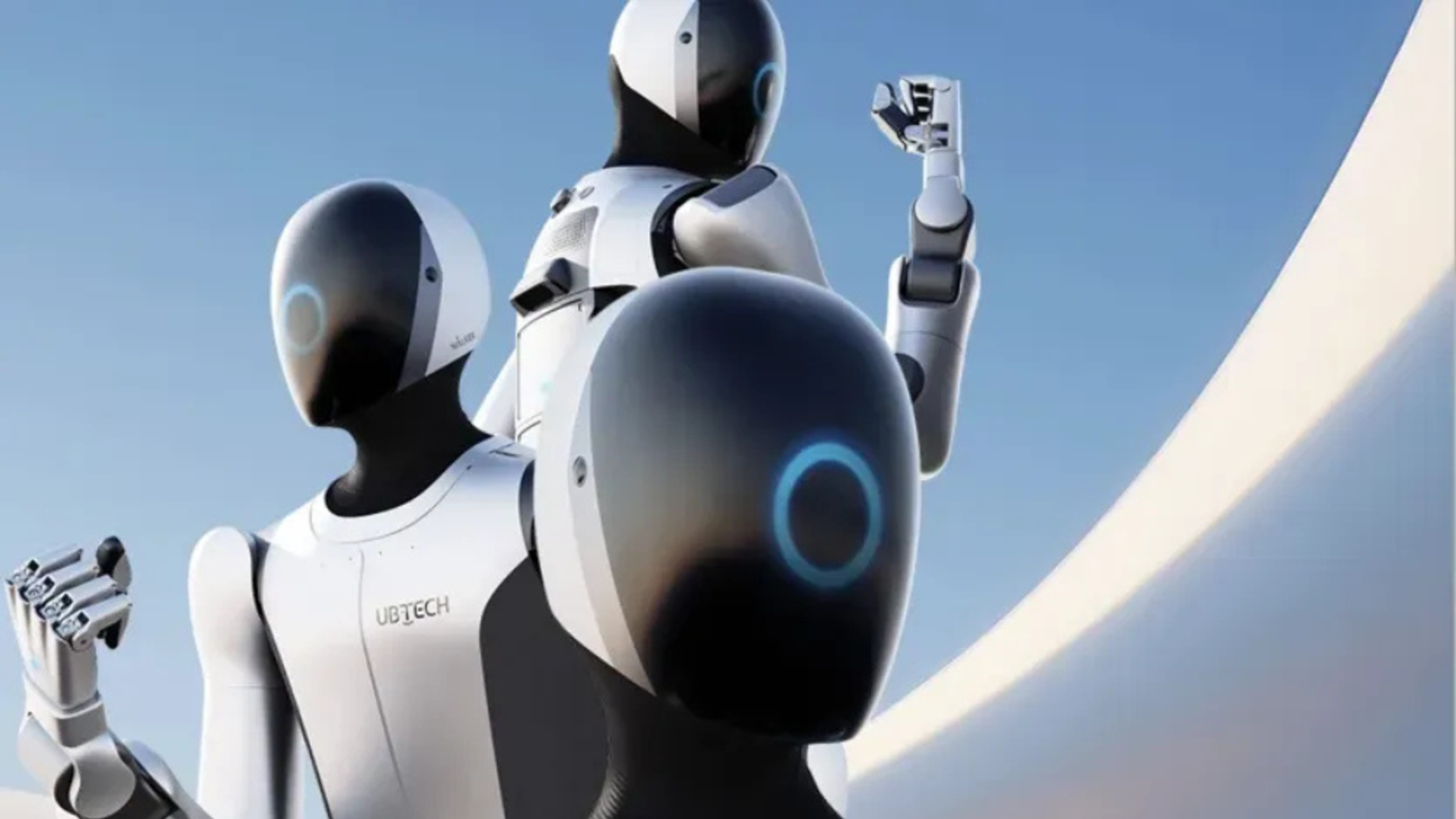
Have you ever heard about robots serving at borders? None of us ever did. But China has made it possible. China has confirmed that its Walker S2 robots are now operating at the Fangchenggang border crossing. This is not a factory, nor a casual setting, but a government environment where these robots will be performing their duties. Now, you will see robots checking the cargo lanes and reading the receipts at one of the busiest places. Sounds too unrealistic? But yes, this is true. In fact, they have marked a significant threshold in the race to deploy humanoid robots. The total value of the project is 264 million yuan. It is almost $37 million. The contract was first signed in November 2025. And now, in July 2026, it has been confirmed that robots at the border have practically started working.
This is not an ideal factory scenario. This is Fangchenggang, where outdoor conditions keep changing. The humidity level is usually high due to the coastline. And the place experiences the continuous movement of transportation 24/7. In such a situation, dealing with real humans, where the consequences of making any error are quite high, is very difficult. It is totally different from the environment in which robots work in a factory. Walker S2, anyway, has started operations under all these conditions. Now the thing is to see how effectively they deliver.
What’s Happening
What types of tasks are these robots going to perform there? Well, they are trained in an exceptional way. They are performing several tasks. They guide the people who are standing in line. They are trained to give directions to tourists in different languages. They also inspect the cargo lanes. They use their optical scanners to read the ID numbers and shipping info on the containers. Once they are done with this scanning, they send the information to human officers. They then decide what to do next. One thing is important to mention here: it is still not known how many robots are working there. Also, the public statements regarding their performance have not yet been made. So, it cannot be clearly said that these robots are exceptionally good at the border.
How Robots Work
Let’s talk about the functioning of these robots. It is quite interesting. Interesting Engineering says that these robots have built-in artificial intelligence. When a place gets overcrowded, they notice it. As a result, these robots give directions to people to form proper lines. This is all done in different languages and in real time.
Besides that, in the cargo area, they are also assigned a special duty. Here, these robots are trained to read barcodes. They fetch the information from the serial numbers mentioned on containers. Then what’s next? Well, they don’t stop there. They compare this information with customs databases. If they see that there is a mismatch, they forward this information to human staff.
Walker S2 is 1.76 meters tall and can move in 52 different ways. This is because of its 52 joints. Each arm of the robot can lift up to 15 kgs. And you know what the most surprising thing about them is? The robot has two batteries that it can replace on its own once they run out. That means the robot will keep working without needing to stop and recharge the batteries first.
The BrainNet 2.0 AI system, along with a stereo vision setup, allows the robot to move. With that, it can see its surroundings. This is all the company has shared. They did not give many details about the hardware or any specific AI models running inside the robots.
Why This Matters?
What do you think is the toughest place to test robots, a factory or a border crossing? Of course, a border crossing. We all know that a factory environment is under control. These are supervised for temperature maintenance. Also, not too many people are allowed to come inside. And work keeps repeating.
But if we talk about the other side, it is different. Borders deal with large crowds every single day. The weather keeps changing. People speak different languages. And it becomes tough to handle all of that at once. That is why it is a real struggle to test a robot’s performance in such an environment. If, let’s suppose, this test succeeds, this will give us strong proof of the real-world capabilities of these robots. And we are quite hopeful for that.
What Comes Next
Thinking about what the future is? How are they gonna perform? What will be the accuracy? And how will humans interacting with those robots respond? When someone hears about such projects, they always want to know more about them. They have plenty of questions in mind.
Interesting Engineering says that it’s just a trial. If everything goes well, you may see robots everywhere. From airports to train stations, robots will be serving their duties efficiently. However, there are certain other things that need to be addressed. For example, if a mistake happens, who would be responsible for that? People are also curious about the performance of robots. They want to know about error rates and how companies are going to handle user privacy. These are the questions people want answers to.
More articles on this topic
220 articles ReportWhat it Really Costs to Own a Personal Assistant Robot at Home
 ReportScientists Develop System to Help Robots Gesture Without Losing Balance
 ReportRobotic Fish Offer New Way to Track River Pollution
 ReportHigh Torque Robotics Partners With Sharebot to Expand Humanoid Access Across China
 ReportAudi Tests Agile Robots' Mobile Humanoids for Factory Logistics
 ReportFrom Flips to Dance Moves: New AI Trains Humanoid Robots in Record Time
 ReportHow a Tiny Robot Searches for Hidden Damage Inside the Wind Turbine Blades
 ReportRadioactive Mess? Better Call Spot
 ReportJapan's LOVOT Companion Robot Makes Abu Dhabi Healthcare Debut
 ReportTesla Starts Optimus Production, Targets First Commercial Deliveries in 2027
 ReportStrawberry-Harvesting Robots Learn to Pick Only Ripe Fruit
 ReportNVIDIA and Agile Robots Launch Humanoid Research Platform
BUSINESS NEWS WEEKLY LETTER
The Weekly Letter for Robotics Professionals, Summarizing the Most Important Industry Moves, Launches, Deals and Signals.