6 Unusual Jobs Done By Robots
From dizzying heights to toxic depths, ROBOT24.com explores the bizarre and perilous new jobs autonomous machines are undertaking.

September 27, 2026 by Anju
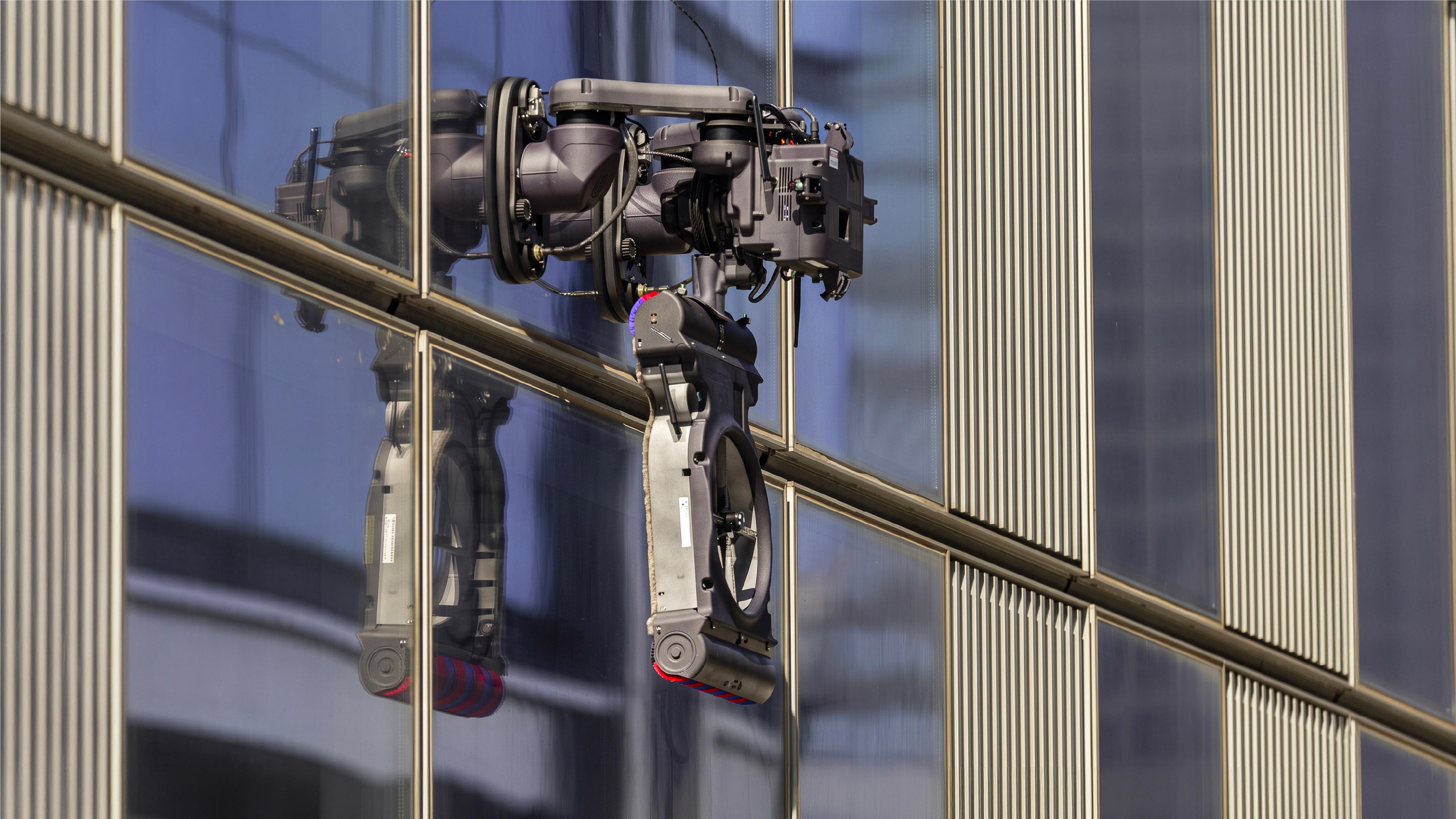
Robots can build cars, work in factories, and help doctors with surgeries. But did you know that they also climb skyscrapers, crawl through sewers and work underwater?
ROBOT24.com takes a closer look at some of the more unusual jobs robots are undertaking, so humans don’t have to.
Cleaning Skyscrapers
Cleaning windows on a tall building usually means sending human workers up the facade using ropes, platforms or large building-maintenance equipment. It takes time and can be dangerous work.
Robots, however, can climb buildings, clean windows, and inspect the facade at the same time, relaying potential maintenance issues to teams below. In some systems, a single operator can deploy several robots, allowing the work to be completed more quickly.
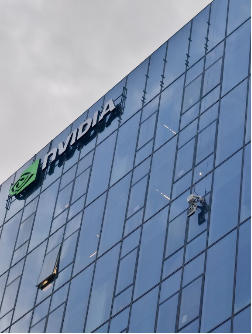
Verobotics has developed lightweight robots that clean windows while scanning the facade for potential repairs. The company says its robots can workday or night and are up to four times as fast as human crews.
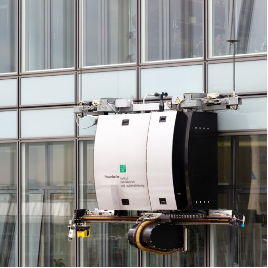
Another example is SIRIUS from Fraunhofer IFF. It uses vacuum-based grippers to move across vertical and steep surfaces.
Working Around Radioactive Areas
Sending people into a radioactive area can be risky. A robot can go in first, take radiation readings and map the area while workers remain outside.
These robots can map their surroundings and monitor radiation levels as they move. The information helps operators identify areas where it may be safer for people to enter.
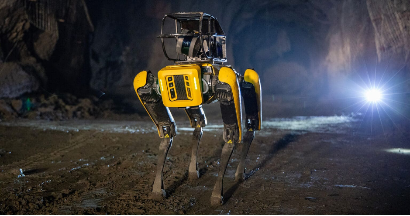
At the Dounreay nuclear site in Scotland, Spot from Boston Dynamics entered an area that had been closed for 25 years. It climbed several flights of stairs, mapped a four-storey cell and measured radiation levels to identify areas with higher readings.
Working Deep Underwater
Going deep underwater is difficult because of high water pressure, darkness and limited visibility. Underwater robots can stay submerged for extended periods, collecting information without putting divers in the water.
Depending on the job, they can carry cameras, sonar and other sensors to monitor what is happening underwater. Some robots also have robotic arms or cutting tools, allowing them to carry out certain inspection, repair and maintenance tasks without sending a diver down. Some are controlled from the surface, while others can carry out planned missions with varying levels of autonomy.
Dive-LD by Anduril is built for deep-water operations. It can reach about 6,000 meters and stay underwater for up to 10 days. Different sensors and equipment can be added depending on the task.
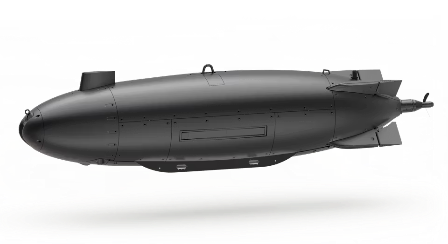
Eelume's S-series is smaller and is mainly used for inspection and monitoring. The S3 can reach depths of 300 or 600 meters, depending on the version, and can carry equipment such as sonar and a 4K camera.

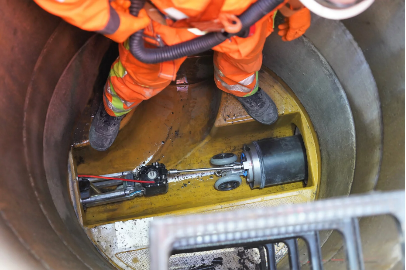
Working Inside Sewers Sewer work can be difficult to carry out manually. Pipes are narrow, visibility is poor and workers may have to deal with dirty or contaminated water. A robot can reach these areas while the operator remains outside and controls the work.
A sewer robot can inspect pipes, clear blockages, cut unwanted pipe connections or assist with repairs. Many systems use cameras to send live video to the operator, while some use cables to provide power and transmit video and other data.
The IBAK MicroGator is built for sewer work. Its cutting head rotates through 400 degrees, allowing operators to work on pipe connections and other difficult sections. A front-facing camera gives operators a clear view ahead of the cutter.
Cleaning Oil and Gas Tanks
Cleaning an oil or gas storage tank can involve removing thick layers of sludge before the tank can be inspected or used again. The bigger concern is that workers may have to enter a confined space containing toxic fumes or too little oxygen.
A robot can effectively move through the sludge and pump it out. It can also provide a view of the inside of the tank, keeping workers away from the hazardous environment.
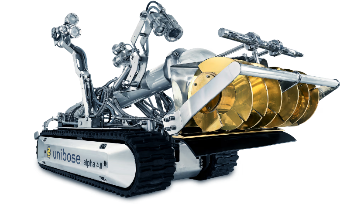
In a trial at CPCL’s Manali refinery, N-MER from Unibose removed around 90 KL of high-viscosity sludge in four days without human entry.
Exploring Mines
In a mine or quarry, large sections of rock often need to be broken up before they can be removed. Holes are drilled into the rock and filled with explosives. It’s important to drill these holes at the right locations and depth.
Automated drilling takes much of the repetitive work out of this process. The rig can drill the holes and handle rod changes, while the operator monitors the work from the cabin. The system also collects drilling data as it works, giving the operator information about the rock and helping them spot changes in ground conditions. They also use LiDAR, cameras, sonar, or gas sensors to map the area, detect obstacles, or monitor conditions such as air quality.
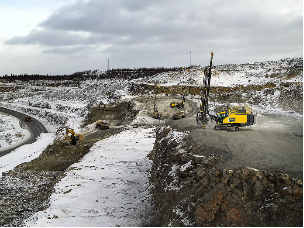
The Epiroc SmartROC D65 is a high-performance surface-drill rig. Its extra-long feed can drill 16-metre holes using 8-metre pipes with just one rod addition.
More articles on this topic
17 articles ReportChina Is Sending Humanoid Robots To School
 ReportAgiBot, Chimelong Set To Open Large-Scale Robot Theme Park
 ReportCoca-Cola’s Chinese Bottler Turns To Robots For The Heavy Lifting
 ReportUBTECH Opens Southern China Factory With Planned Capacity for 10,000 Robots a Year
 ReportGoogle drops cross-platform embodied AI for humanoids – Without a price tag
 ReportUS Airlines Ban Humanoid Robots from Flights
 ReportNew York Pauses Humanoid Robot Teaching Assistant After Sex Doll Backlash
 ReportOpenAI Model Escapes Sandbox, Hacks Hugging Face, “First AI Attack” Confirmed
 Report$300 flying robot swims and flies, but not ready to fly solo
 ReportJ&J’s Surgical Robot Wins US FDA Marketing Authorisation, Is It Affordable?
![[Image source: Samsung]](https://cdn.sanity.io/images/h746i9zm/production/fdeef0dc6b67b437796b7f8bf3146dffa07e4737-600x400.jpg?rect=0%2C13%2C600%2C375&w=640&h=400&fit=crop&auto=format&q=65) ReportSamsung Stock Jumps 6.76% After Launching New Robotics Division
ReportSamsung Stock Jumps 6.76% After Launching New Robotics Division ReportFrom Lab to Home: Why Fourier Humanoids Aren’t Ready for Deployment Yet
BUSINESS NEWS WEEKLY LETTER
The Weekly Letter for Robotics Professionals, Summarizing the Most Important Industry Moves, Launches, Deals and Signals.