Why Industrial Data is Becoming the New Strategic Asset in the AI Race
A blocked $5.4 billion robotics deal shows that governments now treat factory data like chips and computing power. Worth guarding, worth fighting over.

November 9, 2026 by Dr Maulik Vyas
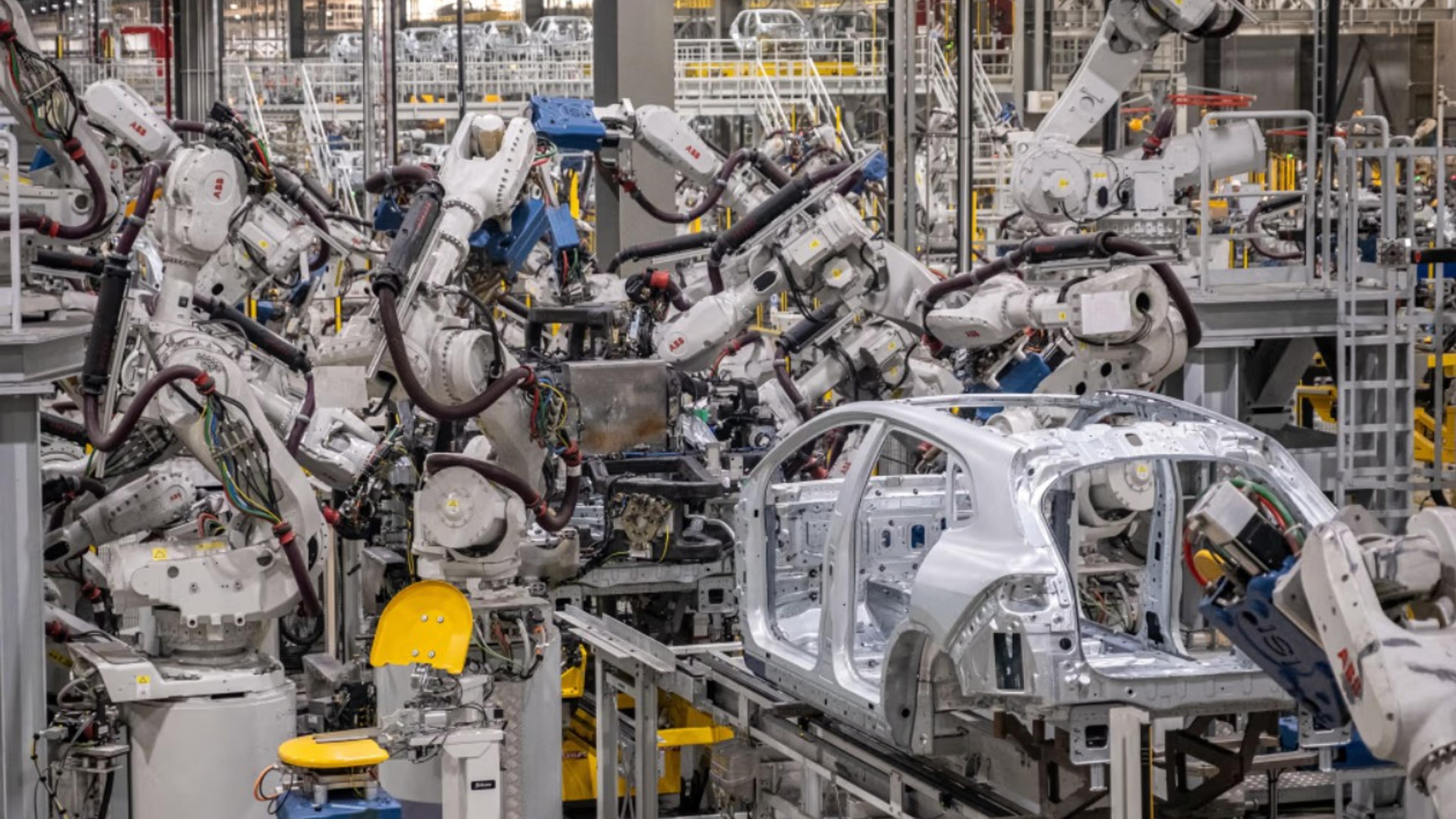
A $5.4 billion deal for a robot maker has shown how much governments now care about what factory machines know. ABB said on Nov. 5 that China’s foreign investment security review office has blocked SoftBank’s planned purchase of ABB Robotics. SoftBank told ABB the sale has been stopped in China for now.
China hasn’t published a decision. The Financial Times reported that officials worried data from robots working in Chinese factories could leave the country and help train foreign AI models. The sources didn’t say which data caused the concern, and nobody has said the deal is finished.
The logic is easy to follow. A robot on a production line records movements, forces, faults and cycle times, and AI built for the physical world needs exactly that kind of real-world data. Ash Sharma, managing director at Interact Analysis, says robotics data, intellectual property and local manufacturing are becoming important in cross-border deals. Industrial robotics, he says, is now seen less as plain equipment and more as strategic technology where automation, data and AI meet.
Beijing isn’t alone. On Oct. 28, President Trump signed a proclamation calling imported industrial robots and machinery a national security threat. It opens 180 days of trade talks, with tariffs or quotas possible if no deal is reached. The administration’s findings point out that robotics and industrial machinery routinely process and store sensitive data, and they flag cybersecurity risks.
South Korea is taking a different route. Its state-backed research institute KIMM has reportedly opened a humanoid data factory with 12 teleoperated robots, partly to avoid depending on foreign AI models and datasets.
The pattern is spreading. China blocked Meta’s $2 billion purchase of the AI startup Manus in April, and European scrutiny helped end Amazon’s planned deal for iRobot. For companies, the message is that clearing antitrust review isn’t enough. A deal involving robots can face a separate security check in every country it touches, and approval in one doesn’t guarantee approval in another.
One caution applies. Most of the reasoning behind Beijing’s decision comes from reports citing unnamed people, not an official statement. For now, the clearest fact is that factory data has joined chips and computing power on governments’ lists of things worth guarding.
More articles on this topic
261 articles ReportWhat it Really Costs to Own a Personal Assistant Robot at Home
 ReportRobotic Systems Are Bringing Greater Precision to Veterinary Surgery
 ReportEvery Brick, Even the Curves—Monumental Shows What Its Robots Can Build
 ReportServe Robotics Launches Physical AI Services to Supply Technology to Other Robot Makers
 ReportBoston Dynamics Debuts Stretch Gen 2 to Reduce Warehouse Downtime
 ReportHumanoids report news as Xinhua Unveils New robot Anchors
 ReportNEURA Robotics teams up with E.ON and enviaM to bring robots into power grid operations
 ReportChina’s LiberAI Reports 36% Success Rate for New Robot Model
 ReportNEURA Robotics Teams Up With E.ON to Train Humanoids for Power Grid Inspections
 ReportRealbotix Rebrands Its Echo Humanoid Range: Series 1 Ahead of 2027 Deliveries
 ReportAeva Reports Record Revenue After Multi-Thousand Sensor Order
 ReportStarBot Launches $7,999 Spark Humanoid for Education and Robotics Development
BUSINESS NEWS WEEKLY LETTER
The Weekly Letter for Robotics Professionals, Summarizing the Most Important Industry Moves, Launches, Deals and Signals.