Serve Robotics Launches Physical AI Services to Supply Technology to Other Robot Makers
After running more than 2,000 sidewalk and hospital robots, Serve Robotics wants to sell the tools behind them. Its pitch to other robot makers is connectivity, data curation and real-world training data.

November 7, 2026 by Dr Maulik Vyas
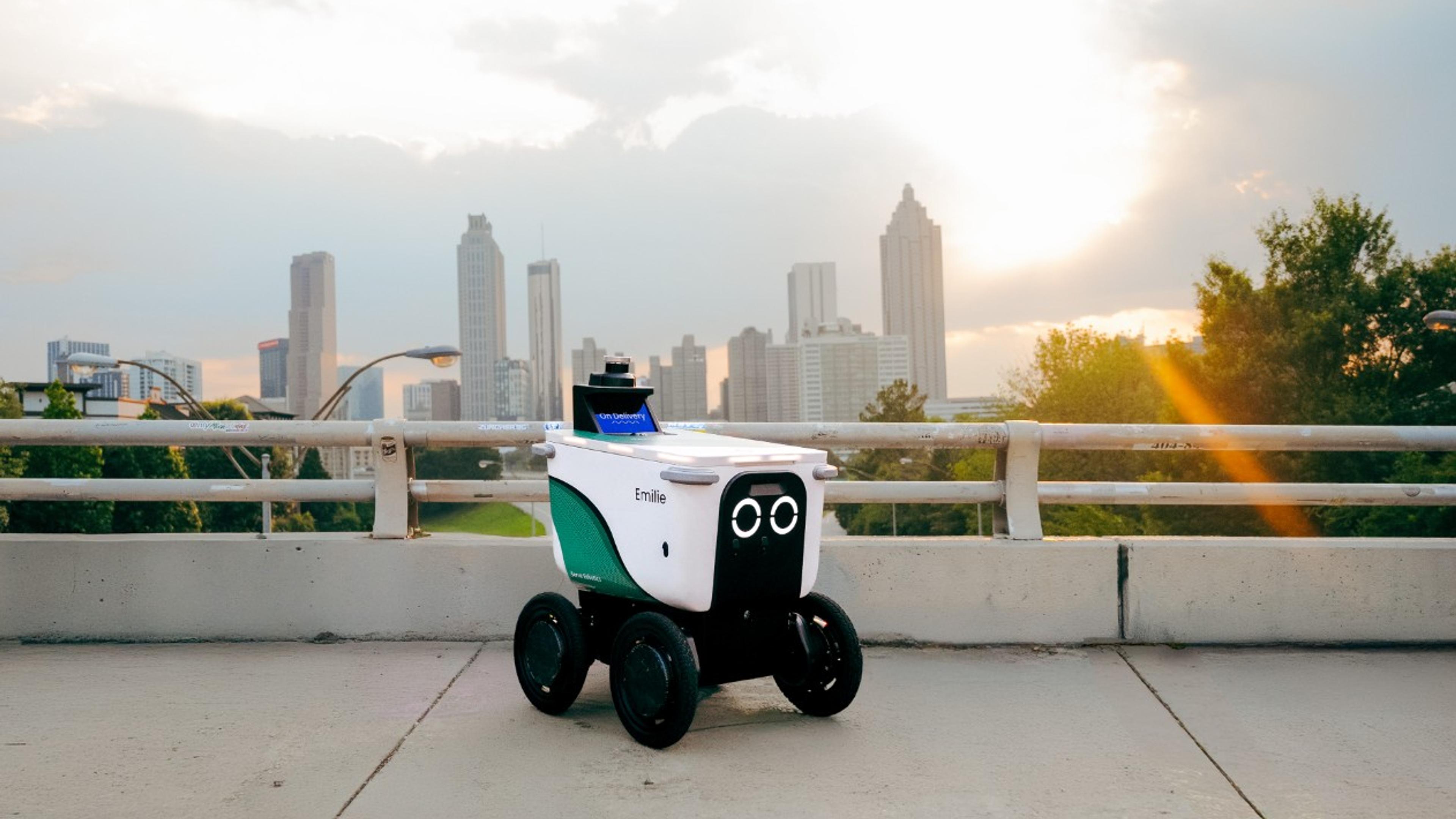
Serve Robotics, the company behind the googly-eyed sidewalk delivery robots, is about to start selling the technology that keeps them running. On Thursday it introduced Physical AI Services, a new business line aimed at other robot makers, and announced it alongside its third-quarter earnings.
The pitch comes from scale. Serve says it has deployed more than 2,000 robots across over 40 cities and 27 hospitals, the hospital side added when it bought Diligent Robotics this year. Running that many machines in the real world forced the company to solve problems every robot maker eventually runs into. Now it wants to sell those fixes.
Three products are launching. Serve Link connects robots in the field to AI models, monitoring and training systems in data centers. As more computing moves off the robot, that connection has to hold up even on unreliable networks, which CEO Ali Kashani says is the hard part. Serve Data Curator tackles a different headache. A big fleet records far more footage than any engineering team can review, so the tool picks out the rare moments worth training on. The third product is a data catalog drawn from Serve’s sidewalk deployments, including terrain and infrastructure data, meant to help AI models make sense of busy human spaces.
The first named customer is Bedrock Robotics, which builds autonomous systems for heavy construction equipment. Bedrock uses Serve Link to connect its machines over Wi-Fi, LTE, 5G and satellite. Serve says its services already power thousands of vehicles across a dozen industries, including construction, mining and autonomous trucking, and that it’s working with T-Mobile to bring AI computing closer to robots.
Kashani calls it an AWS moment. Early on, he says, you have to build the whole application yourself to learn what’s needed. Later, as more companies build similar things, you open your tools up so others can build on them. He adds that none of this would have been possible without running Serve’s own fleet.
The delivery business isn’t going anywhere. Sidewalk operations keep growing, though they’re shifting away from Uber toward partners such as DoorDash and Wonder.
Details are thin. Serve hasn’t shared pricing, revenue expectations or customer numbers beyond Bedrock. The AWS comparison is an ambition, not a result, and whether robot makers will trust a company that also builds its own robots with their data is still an open question.
More articles on this topic
261 articles ReportWhat it Really Costs to Own a Personal Assistant Robot at Home
 ReportWhy Industrial Data is Becoming the New Strategic Asset in the AI Race
 ReportRobotic Systems Are Bringing Greater Precision to Veterinary Surgery
 ReportEvery Brick, Even the Curves—Monumental Shows What Its Robots Can Build
 ReportBoston Dynamics Debuts Stretch Gen 2 to Reduce Warehouse Downtime
 ReportHumanoids report news as Xinhua Unveils New robot Anchors
 ReportNEURA Robotics teams up with E.ON and enviaM to bring robots into power grid operations
 ReportChina’s LiberAI Reports 36% Success Rate for New Robot Model
 ReportNEURA Robotics Teams Up With E.ON to Train Humanoids for Power Grid Inspections
 ReportRealbotix Rebrands Its Echo Humanoid Range: Series 1 Ahead of 2027 Deliveries
 ReportAeva Reports Record Revenue After Multi-Thousand Sensor Order
 ReportStarBot Launches $7,999 Spark Humanoid for Education and Robotics Development
BUSINESS NEWS WEEKLY LETTER
The Weekly Letter for Robotics Professionals, Summarizing the Most Important Industry Moves, Launches, Deals and Signals.