Comparisons · Robot24.com Original
ElliQ vs. LOVOT
ElliQ and LOVOT are companion robots designed for social interaction and emotional support. We compare their mobility, interaction style, sensing, autonomy and companionship features.

October 1, 2026 by Business Desk Team
Introduction
ElliQ and LOVOT are compared here using the specifications and use cases recorded in the supplemental ROBOT24.com market-data records.
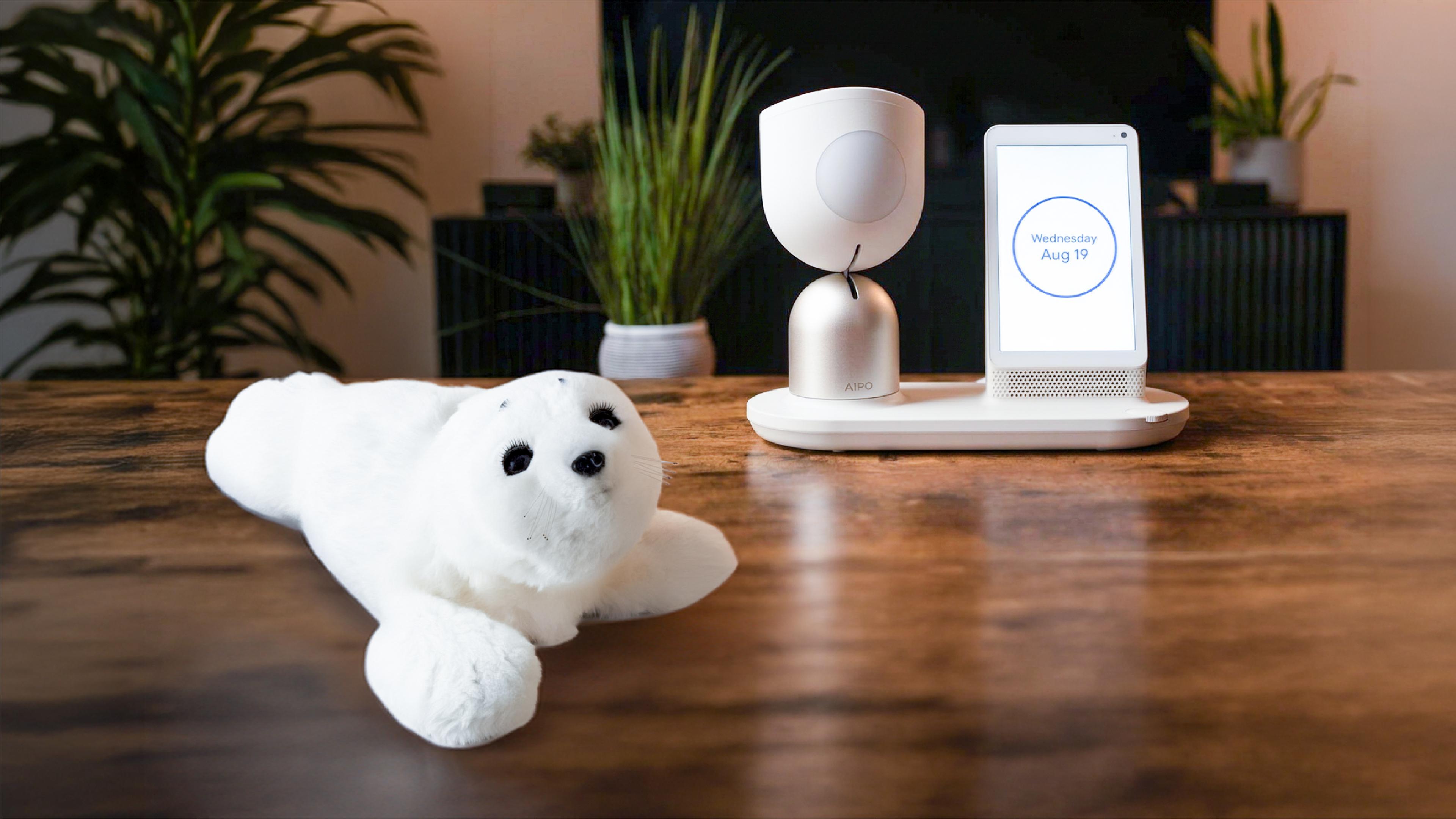
ElliQ is statically placed on a tabletop and is designed to serve as an ai companion robot for older adults; use cases include companionship; wellness prompts; reminders; video calls; caregiver connection.
LOVOT is an autonomous home companion robot; use cases include home companionship; emotional support; education; family interaction.
The main known differences relate to their physical configuration, specifications, mode of autonomy, capacity, sensing, and the amount of technical detail available for each model.
How They Compare
In terms of role, ElliQ is recorded for Companionship; wellness prompts; reminders; video calls; caregiver connection, while LOVOT is recorded for Home companionship; emotional support; education; family interaction.
Their overlap is strongest where both address similar users or operating environments, but the records show different emphasis in deployment focus and interaction model.
At a Glance
| Metric | ElliQ | LOVOT |
|---|---|---|
| Robot type | AI companion robot for older adults; stationary tabletop device | Autonomous home companion robot |
| Use cases | Companionship; wellness prompts; reminders; video calls; caregiver connection | Home companionship; emotional support; education; family interaction |
| Dimensions | Approx. 14.4 in tall | Approx. 43 cm tall |
| Weight | Approx. 5.3 lb / 2.4 kg | Approx. 4.3 kg |
| Payload / capacity | Not applicable | Not applicable |
| Maximum speed | Stationary | Slow indoor companion movement; exact public speed not consistently stated |
| Runtime | Mains powered | Approx. 45 minutes |
| Charging time | Not applicable | Approx. 15-30 minutes per normal cycle |
| Navigation | No mobile navigation; proactive conversational interaction | Autonomous wheel drive; indoor movement; returns for charging |
| Sensors | Microphone array; camera; touchscreen; ambient sensors; touch interaction | Camera, thermal camera, depth camera, microphones, touch, distance, obstacle, IMU and environmental sensors |
| Special capability | Proactive AI companionship; wellness routines; family/caregiver connection | Recognises family members; responds to touch and mood; warm soft body |
| Availability | Commercially available in supported markets | Commercially available mainly Japan/selected markets |
| Price | Lease/subscription model; enrollment and monthly subscription reported | JPY 399,800 reported for earlier version |
How They Compare
In terms of role, ElliQ is recorded for Companionship; wellness prompts; reminders; video calls; caregiver connection, while LOVOT is recorded for Home companionship; emotional support; education; family interaction.
Their overlap is strongest where both address similar users or operating environments, but the records show different emphasis in deployment focus and interaction model.
On the recorded performance figures, weight is listed as Approx. 5.3 lb / 2.4 kg for ElliQ and Approx. 4.3 kg for LOVOT; maximum speed is recorded as Stationary versus Slow indoor companion movement; exact public speed not consistently stated; runtime is Mains powered versus Approx. 45 minutes.
Capacity also differs in the records: ElliQ lists Not applicable, whereas LOVOT lists Not applicable.
For autonomy and perception, ElliQ is recorded with No mobile navigation; proactive conversational interaction and Microphone array; camera; touchscreen; ambient sensors; touch interaction. LOVOT is recorded with Autonomous wheel drive; indoor movement; returns for charging and Camera, thermal camera, depth camera, microphones, touch, distance, obstacle, IMU and environmental sensors.
Summary
Both ElliQ and LOVOT occupy the same broad comparison category, but the recorded specifications show differences in operating role, mobility or interaction approach, endurance, autonomy, sensing, and deployment model. The figures above should be read as a direct comparison of the supplied Robot24 comparison data rather than as a ranked market assessment.
More articles on this topic
52 articles ReportPUDU BellaBot vs. UBTECH CADEBOT L100
 ReportFourier GR-3 vs. EngineAI SE01
 ReportPudu CC1 vs. KEENON KLEENBOT C30
 ReportDEEPRobotics Lynx M20 vs. Unitree B2-W
 ReportDEEPRobotics X30 Pro vs. Unitree B2
 ReportServe Robotics Delivery Robot vs. Cartken Courier
 ReportLOVOT vs. PARO
 ReportKEENON BUTLERBOT W3 vs. Relay+
 ReportPUDU FlashBot vs. Relay+
 ReportPARO vs. Joy for All Companion Pet Cat
 ReportServe Robotics Delivery Robot vs. Starship Delivery Robot
 ReportCartken Courier vs. Kiwibot
Free Weekly
BUSINESS NEWS WEEKLY LETTER
The Weekly Letter for Robotics Professionals, Summarizing the Most Important Industry Moves, Launches, Deals and Signals.
120,000+ robotics professionals follow Robot24.com