The Best Robots for Interactive Art Galleries and Museum Exhibits 2026
A museum exhibit can offer more than a display board and a recorded explanation. Visitors may want to ask questions about an artefact, explore different parts of an artwork’s story or watch a robot introduce an exhibit through speech, visuals and gestures. Finding a robot that can do this well and not diverge from what the museum wants to teach, is the challenge.

November 14, 2026 by Business Desk Team
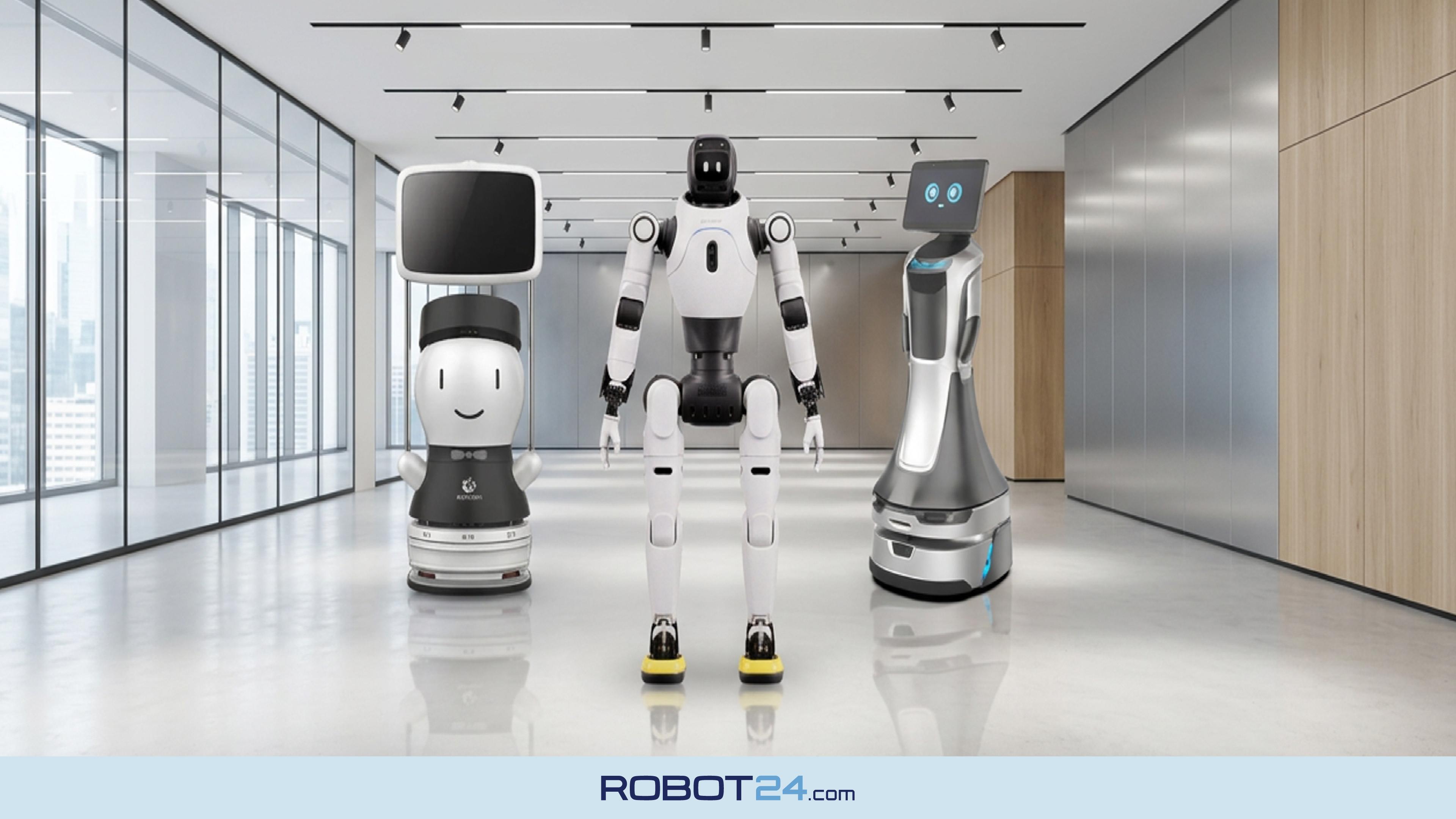
The rest of the time, the robot needs to be more than eye-catching. It should disseminate approved information, answer visitors' questions, provide convenient methods for visitors to investigate the content, and give staff control over the experience in between groups. Some exhibits lend themselves better to conversational encounters; others might require theatricality, and some will probably need a screen.
In this shared task at the 2026 ROBOT24.com 5th edition, we ranked 3 Class A robots that introduce the same artwork or artefact at a staffed exhibit, introduce the approved information and let the visitors pick what they want to learn next through the voice and screen. The finalists are OrionStar GreetingBot Nova, AGIBOT X2 and KEENON GUIDERBOT G2.
This list measures the quality of interactivity at the exhibit. It does not judge the robot primarily as a visitor-guide that takes people to locations, for which ROBOT24's shopper-guidance ranking applies. Each position is an editorial judgment based on documented features, not a live museum trial result.
At a Glance
| Rank | Robot | Editorial score | Standout feature | Best suited to |
|---|---|---|---|---|
| 1 | OrionStar GreetingBot Nova | 87.0/100 | Conversational interface and customization | Visitor-led exploration and exhibit questions |
| 2 | AGIBOT X2 | 83.5/100 | Coordinated speech, gestures and facial expressions | Live storytelling and scheduled presentations |
| 3 | KEENON GUIDERBOT G2 | 76.0/100 | Double-sided displays and customizable voice package | Screen-led exhibit introductions and visual prompts |
The Robots Behind the Rankings
1. OrionStar GreetingBot Nova: Best for Visitor-Led Exploration
Total editorial score: 87.0/100
OrionStar GreetingBot Nova - Best exhibits where visitors will have the freedom to click on exhibits and navigate and experience at their own pace at the top of our shortlist for an exhibit in which the experience is largely constructed around questions and follow-up interaction from visitors, the Nova's conversational UI and customizability make it the best fit for this role. Rather than forcing the exhibit to start with a fixed introduction, the Nova is well-suited for a more conversational interaction.
Content control is vital in a museum setting. Curators must be able to know that the answers are correct, suitable, and will not deviate from the set content for each piece. The Nova has some room to customise according to the number two ranking, and it is also critical to find out how much control museum staff have of the answers that it gives. The demonstration needs to also determine whether the robot can be limited to set exhibit material rather than produces arbitrary response to questions.
Nova also rates well on accessibility with good audio/visual options and high potential for visitor-powered interaction. Its top-ranking places it as the best choice for a museum that encourages questions and lets visitors decide what to explore next. That said, the quoted setup should be trialed with real exhibit content and the museum's ideal content-management process prior to being deployed.
2. AGIBOT X2: Best for Live Storytelling
Overall editorial score: 83.5/100
Second is the AGIBOT X2, which is more subtle, including coordinated speech, gestures and facial expressions to give can give curators more options in how they communicate than a simple voice-over introduction. This becomes an even stronger option if the experience will involve an interactive live performance, scheduled talk or a staff-led story time.
Museums might use this sort of presentation to give an introductory talk a bit more sparkle. An X2 can be used to add movement and gestures to what is said, rather than just having a voice behind the explanation. This offers exhibit designers a broader palette with which to design and deliver visitor interpretation.
X2 performs better in the categories of engagement with visitors and using voice, motion or gesture to tell a story. The X2 score on accessibility is higher than for the Nova, but this is based on editorial judgement on each of the categories rated in this summary and does not indicate that the mode would not be able to host accessible presentations. Museums need to establish what audio and visual options are available on the exact version and test how staff can upload approved content and reset between groups.
3. KEENON GUIDERBOT G2: Best for Screen-Led Interpretation
Overall Editorial: 76.0/100
Completing the short list is KEENON GUIDERBOT G2 a screen-led solution for introductions to interactive exhibits. With a double-sided screen and a tailored voice package, the KEENON GUIDERBOT G2 offers an effective combination of a screen-based and spoken presentation. This could be ideal for a museum communicating short captions, exhibit cues, or exhibit introductions.
A display-oriented presentation format works when visitors should be able to listen and see content. Displays allow the content of an exhibit to be displayed and can give a visual 'catalyst' for initial discovery of a topic. This approach depends on what visitors can actually select to explore and control. A demonstration should establish whether the configuration quoted in the quote makes it possible for a visitor to decide directly upon a screen what to view next, or if they are restricted to a presentation by a staff member.
The G2 scores quite well on content management, storytelling and accessibility with sound and visual alternatives. But it falls behind the others on visitor-interaction, staff-reset scores. While existing dealer supply would tend to indicate the G2 as the clear choice, current stocks should be checked before procurement considerations. A demonstration should be requested with the same exhibit material and visitor interaction sequence as in the actual installation.
Which Robot Best Fits an Interactive Museum Exhibit?
The OrionStar GreetingBot Nova is the best overall choice if visitor-led exploration is most important. Its conversational interface and customization make it the most suitable on paper for exhibits where visitors can talk to the robot and learn more about an artwork or artefact. You'll need to check that you can limit responses to museum approved content.
Presented interaction AGIBOT X2 is a clear winner if impact is largely due to the presentation. The variety of speech, gesture and expression gives much greater potential for a choreographed introduction or presentation by a human presenter. It should be considered for exhibits where the robot itself is the main attraction.
KEENON GUIDERBOT G2 is another option for screen-led interpretation where the use of visual cues and spoken narration are required. The position will be determined by confirmation of the current supply and the interactive features of the particular configuration of the product.
To keep the comparisons fair, the museums should ensure that all three robots are tried out with the same artwork or artefact, with the same approved information and visitor questions. During the demonstration, visitors should be able to ask to follow up questions, choose more content, try out the options to watch/listen to the information, and be able to complete the experience without constant staff input. Staff should also be able to clear the content ready for the next group.
Ranking Explained
Each robot was scored on five practical criteria of a page, which is indicative of an interactive exhibit. Greater weights are assigned to interaction with visitors and control of the content since the main goal of an attraction is to guide visitors to predefined information.
| Parameter | What We Assess | Weight |
|---|---|---|
| Visitor interaction and follow-up questions | How effectively the robot engages visitors and supports questions beyond the initial exhibit introduction | 30% |
| Control over exhibit content and updates | How staff can manage approved information and update the content presented to visitors | 25% |
| Storytelling through voice, visuals or gestures | How the robot combines spoken explanations, screen content and expressive presentation | 20% |
| Accessibility through audio and visual options | The availability of different ways for visitors to receive and follow exhibit information | 15% |
| Staff controls and reset between groups | How easily staff can manage the experience and prepare the robot for the next group | 10% |
Scoring Detail
| Rank / Robot | Visitor Interaction | Content Control | Storytelling | Accessibility | Staff Controls | Weighted Total |
|---|---|---|---|---|---|---|
| 1. OrionStar GreetingBot Nova | 9 | 9 | 8 | 9 | 8 | 87.0/100 |
| 2. AGIBOT X2 | 9 | 8 | 9 | 7 | 8 | 83.5/100 |
| 3. KEENON GUIDERBOT G2 | 7 | 8 | 8 | 8 | 7 | 76.0/100 |
All the elements are scored out of 10, then transformed into a weighted total out of 100. These are preliminary editorial rankings based on documented characteristics, not final from a real museum or gallery trial. Ultimately, appropriateness will need to be confirmed through demonstrations of approved exhibit content, sample visitor inquiries, and the precise combination being explored, as well as current availability and software functionality, with the appropriate manufacturer or vendor.
More articles on this topic
55 articles ReportThe Best Delivery Robots for Serving Several Tables in One Trip 2026
 ReportBest Robots for Serving Drinks at Events
 ReportBest Robots for Answering Product Questions in Showrooms 2026
 ReportBest Robots for Multilingual Reception Desks 2026
 ReportBest Full-Size Humanoids for Live Brand Launches and Events 2026
 ReportThe Best Robots for In-Store Promotions 2026
 ReportThe Best Robots for Sweeping Covered Loading Bays 2026
 ReportBest Compact Humanoids for Staffed Live Demonstrations
 ReportBest Robotic Mowers for Large Commercial Lawns 2026
 ReportBest Robots for Routine Dry Vacuuming on Commercial Hard Floors 2026
 ReportBest Robots for Routine Inspection in Hazardous Process Plants 2026
 ReportBest Warehouse Inventory Drones for Counting High-Rack Pallets 2026
BUSINESS NEWS WEEKLY LETTER
The Weekly Letter for Robotics Professionals, Summarizing the Most Important Industry Moves, Launches, Deals and Signals.