Microduck Bags $2.6M in 24 Hours
Hugging Face says its $399 Microduck robot attracted more than $2.6 million in pre-orders within 24 hours. New buyers now face an estimated four-to-six-month delivery wait, while unit totals remain undisclosed and the robot’s advertised capabilities await independent testing.

September 3, 2026 by Vismay
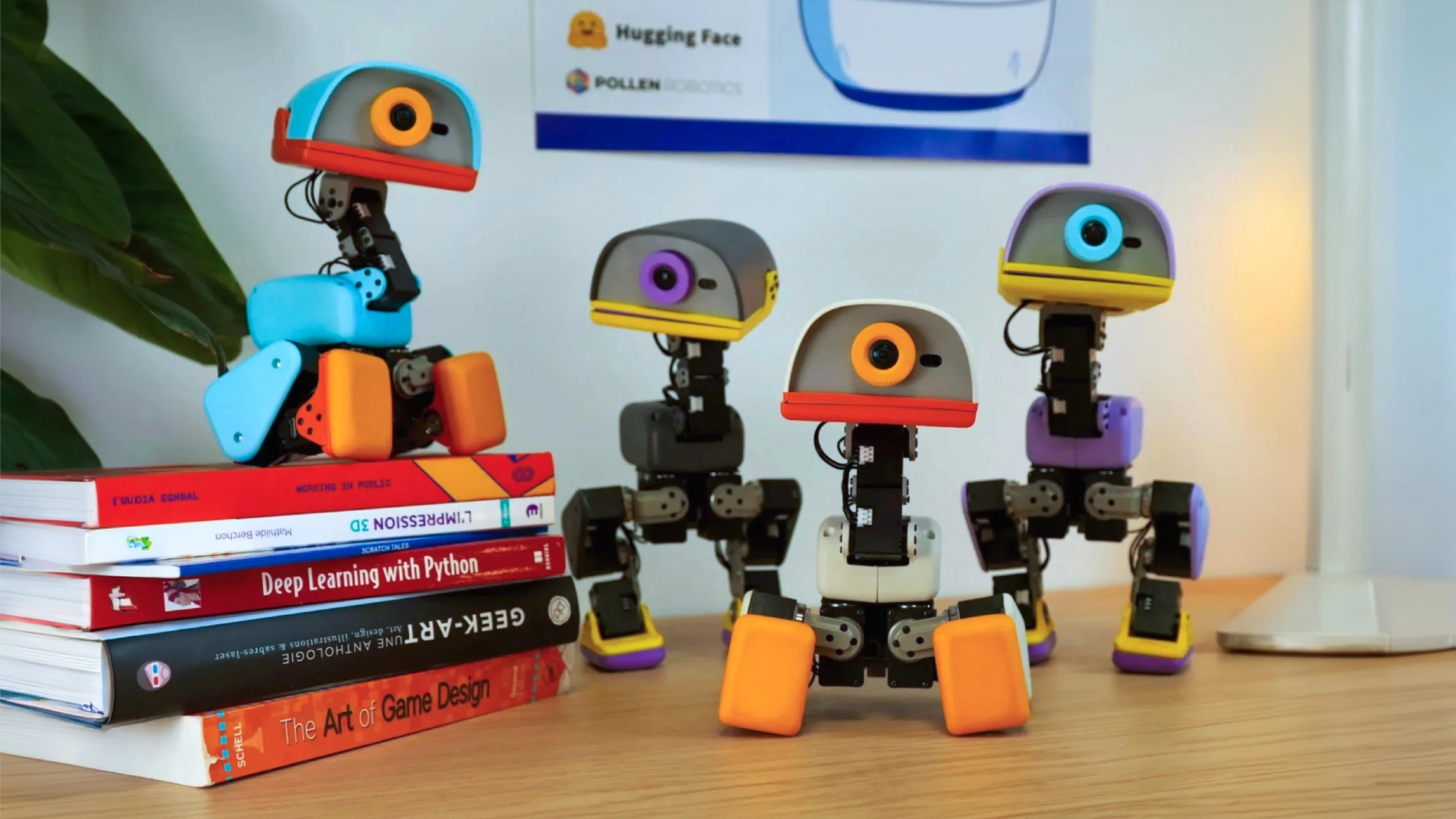
BORDEAUX, France: Hugging Face said that buyers placed more than $2.6 millions of orders for the Microduck in the robot's first 24 hours on sale, and the company has already withdrawn its promise of delivery before Christmas for anyone ordering now.
Thomas Wolf, Hugging Face co-founder, reported crossing $1 million about six hours after the launch, according to Business Insider.
Neither Hugging Face nor Pollen Robotics, the Bordeaux team that built the robot, has given a unit count. At the $399 introductory price, $2.6 million works out to roughly 6,500 robots, and fewer if the $39 accessory and charger packs or the $119 dev pack are counted in the total.
The Pollen Robotics store now carries a warning above the buy button: "Current estimate for new orders: 4–6 months." The store also added a note that orders will be shipped in the sequence they were placed and that production is being increased.
Clem Delangue, CEO of Hugging Face, told Axios before the order numbers came in that the best-selling robots on the market have sold around 20,000 units and that he expects Microduck to beat that. "I think 50,000 would be a great success," he said, putting that at roughly $20 million in revenue. Hugging Face has sold about 10,000 units of its first consumer robot, the stationary Reachy Mini, since July 2025.
None of the $2.6 million is booked for revenue. Under the store's return policy a pre-order can be canceled for a full refund at any time before dispatching, and buyers get 14 days after delivery to send the robot back.
The robot comes with advanced behaviours ready to use, plus an open-source toolkit for new skills to be trained in simulation. Pollen's press kit asks reporters not to call Microduck open-source hardware. The Apache 2.0 release covers the software stack, including the SDK, the simulation and the reinforcement learning training code, while the mechanical and electronic design files stay closed.
The press kit lists camera resolution and field of view, LiDAR range, radio versions, SDK languages and any age recommendation as provisional.
Everything the public has seen of the robot walking, roller-skating, lifting objects with its beak and standing up after a fall comes from video produced by the company. Until units reach buyers, none of them have been tested by anyone outside Pollen Robotics.
More articles on this topic
99 articles ReportNoetix Robotics Reportedly Files for Hong Kong IPO
 ReportHumanoid Expands Nvidia Partnership for Onboard Robot AI
 ReportEka Robotics Secures $150 Million to Advance Dexterous Automation
 ReportAgility Robotics Signs Deal to Pilot Digit at AGCO Factory
 ReportDream Labs Raises $90M, Offers Robot AI by the Hour
 ReportSchaeffler Opens China Factory Where Humanoids Build Robot Parts
 ReportPHYBOT Unveils Direct-Drive Robotic Hand With 23 Active Joints
 ReportOpenAI Expands Robotics Hiring to Develop Humanoid Hardware
 ReportFAIRINO Targets Industrial Embodied AI With New Funding
 ReportDevanthro Rebrands as Plim Robotics, Unveils Home Robot
 ReportAiMOGA to Open Preorders for Mobo Home Humanoid on Oct. 21
 ReportHyphen Taps Ricoh to Scale Robotic Kitchens Across the U.S.



BUSINESS NEWS WEEKLY LETTER
The Weekly Letter for Robotics Professionals, Summarizing the Most Important Industry Moves, Launches, Deals and Signals.