Samsung Plans Factory-First Path for Humanoids Before Home Robots
Samsung is developing humanoid and industrial robots in parallel, with plans to first use robots in manufacturing, then move into home applications.

October 1, 2026 by Artem
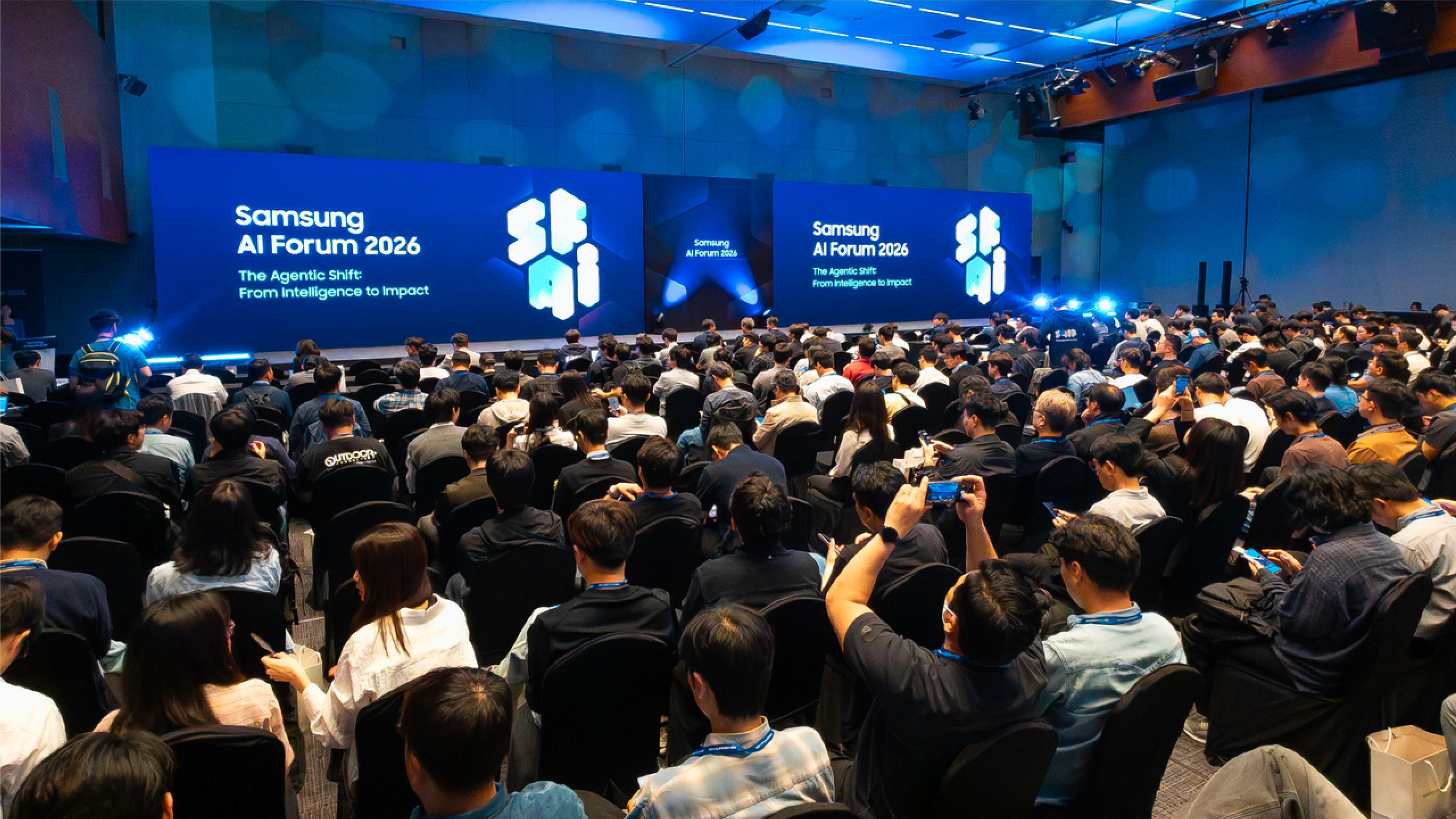
SEOUL — Samsung Electronics plans to use its manufacturing operations as an early proving ground for humanoid robots before expanding into home applications, laying out a factory-first path for its growing robotics business.
The company is developing humanoid and industrial robots in parallel through its Robotics eXperience, or RX, Kris Hauser, head of robotics laboratory, said at the Samsung AI Forum in Seoul on Sept. 30 (Korean-language source). Samsung intends to study industrial uses first before eventually moving toward home-helper robots.
Samsung has more than 100 factories and 100 product lines, Hauser said as quoted by MoneyToday. Even in appliance manufacturing, including refrigerators, fewer than half of current tasks have been automated, leaving work that more adaptable robots could potentially address.
The plan gives Samsung an internal environment for testing whether humanoids can perform useful work before trying to sell them more broadly. Samsung established the CEO-led RX office in July to integrate efforts across robot hardware, AI, software and commercialization. The company also plans a robot-data facility at its Gumi manufacturing site.
Compared to typical robotics demonstrations, Samsung is pushing for a much higher reliability. Hauser said a 99% task-success rate would be inadequate in manufacturing and that robots would need to be above 99.99% reliable for production use. That figure represents Samsung's target rather than an independently established industry requirement.
Cost presents another obstacle. Hauser estimated current humanoid hardware at about $100,000 for hardware and roughly another $100,000 for task-specific work, AI development and data collection. He put annual maintenance at about $20,000 and said adapting a machine to another task could add roughly $20,000.
Samsung is trying to reduce some of that task-engineering burden by developing systems that allow users to teach robots new work. Hauser described research in which a robot learns from a video of a person performing a task, with human hand and object movements transferred through simulation and reinforcement learning into robot actions.
The Sept. 30 forum itself focused partly on physical AI and robot foundation models, Samsung confirmed.
Hauser said sufficiently adaptable robot AI could eventually give Samsung the ability to sell millions of robots. For now, however, the company has not announced a commercial Samsung humanoid, a price or a timetable for selling a general-purpose home robot.
More articles on this topic
69 articles ReportBoston Dynamics Sacrifices Atlas’ Fifth Finger for Efficiency
 ReportAgility Adds FORT Safety Infrastructure to Digit 5
 ReportEni, Generative Bionics Partner on Industrial Humanoid Robotics
 ReportFeather Prices Modular Dual-Arm Robot at $29,990
 ReportNvidia Develops Safety Controls as AI Advances Into Robotics
 ReportDyna Launches Wheeled Semi-Humanoid for Full Workflows
 ReportRobotera Says Dexterous Hands, Not Walking, Are Humanoids’ Bigger Challenge
 ReportFlourish Opens Preorders for $3,555 Trainable Home Robot
 ReportSiMa.ai Raises $150 Million to Scale Chips for Humanoids, Physical AI
 ReportNauticus Robotics Seeks Up to $50M in Strategic Investment
 ReportHitachi, Agile Robots Partner to Bring Physical AI Into Factories
 ReportAMD to Buy World Labs for $8.2B in Push Beyond AI Chips
BUSINESS NEWS WEEKLY LETTER
The Weekly Letter for Robotics Professionals, Summarizing the Most Important Industry Moves, Launches, Deals and Signals.